


点击右上角
分享给朋友吧
Is the Future of Paper Manufacturing Not About Paper at All?
Author:Kylin machine company
Click:
Time:2026-03-19 13:23:30
The story of Papeterie de Condat is making waves, and it’s a big deal for anyone in the paper and packaging industry. It feels like a sign of bigger changes happening everywhere.
This historic paper mill is turning a new page, but not in the way you might think. It’s shifting from traditional paper to new materials like glassine and even high-tech sectors like aluminum recycling. This shows us the future is all about adapting with new technology.
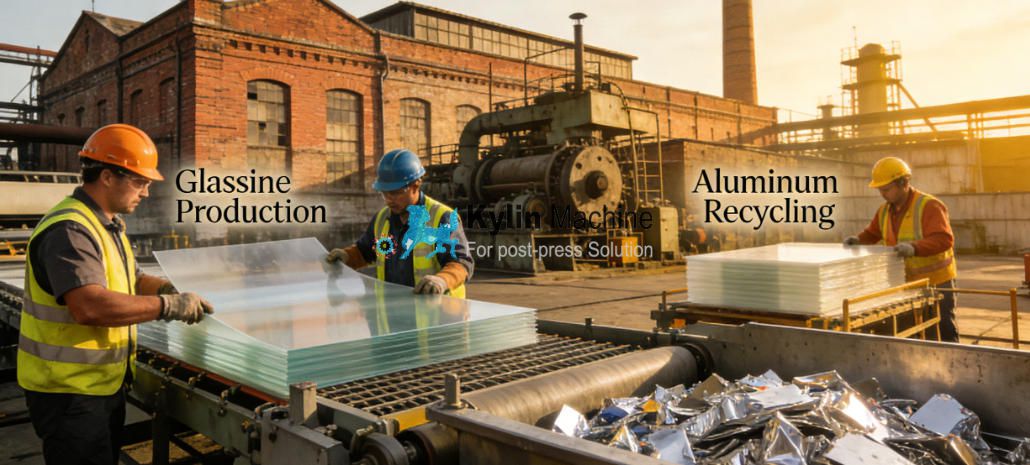
I’ve watched the industry change over the years. It’s tough to see a famous paper mill stop doing what it has done for a century. But it also makes me think about what comes next. For businesses to grow, we have to look at where the world is going. This change at Condat is a perfect example. It tells us that we need to be ready to invest in new ideas and new machines to stay ahead. It’s a wake-up call for all of us in manufacturing.
Are Traditional Factories Becoming Obsolete?
It’s a tough question. Seeing a giant like Condat change its entire business model makes you wonder if the old ways are finished. Many factories are struggling to keep up with changing demands and global competition.
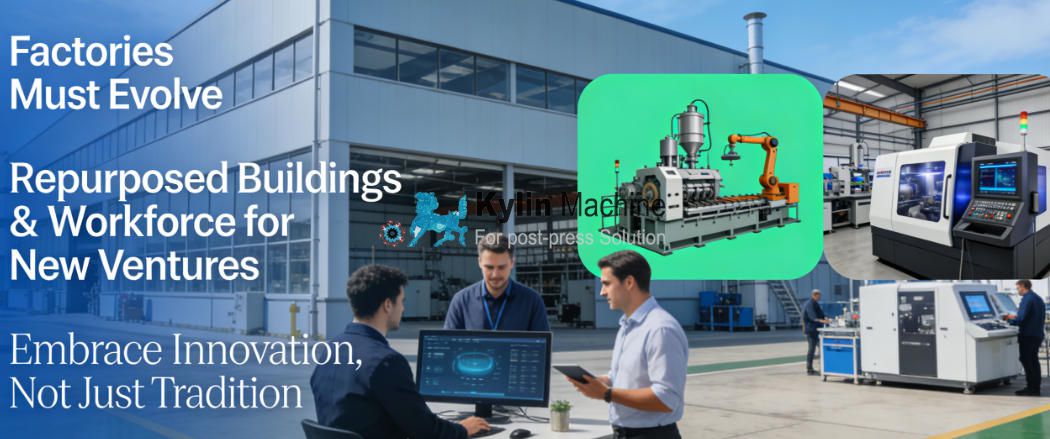
The answer isn’t simple. It’s not that factories are obsolete, but they must evolve. The Condat story shows that the buildings and the workforce can be repurposed for new, more profitable ventures. It’s about embracing innovation, not just sticking to what has always worked.
The Shift in Focus: From Paper to Technology
The plan for Condat is not just about making a different kind of paper. It’s a complete industrial pivot. Let’s break down their new direction:
| New Venture | Investment | Timeline | Potential Impact |
|---|---|---|---|
| Aluminum Recycling | €45 million | 30-36 months | Enters the circular economy and green tech |
| Nanocellulose Production | €50 million | 30-36 months | Serves high-value markets like cosmetics |
| Specialty Paper (Glassine) | Feasibility study | 5 months | Caters to the growing packaging label industry |
| Supercomputer Hub | €400 million | To be determined | Moves into the digital and AI infrastructure |
This isn’t just a small change; it’s a massive transformation. They are moving from a single product—coated paper—to a diverse portfolio of industrial and technological products. This diversification is a smart strategy to reduce risk and tap into growing markets. For my business, it reinforces the idea that we can’t stand still. We have to constantly look for the next opportunity, the next technology that can make our customers more successful. It’s why we at Kylin Machine focus on developing advanced solutions like our Fully Auto Rigid Box Machines, which help our clients adapt to the demand for high-end, luxury packaging.
How Can Your Business Survive Such a Big Shift?
You might be looking at the Condat story and feeling a little worried. If a huge, established mill can face such a dramatic change, what does it mean for your business? It’s a valid concern.
The key takeaway is not to fear change, but to prepare for it. Survival depends on your ability to adapt. This means investing in technology that offers flexibility and efficiency, allowing you to meet new market demands without having to rebuild your entire operation from scratch.

Investing in Versatile Machinery
In the packaging world, the demand for creative, high-quality boxes is always growing. Think about the markets Condat is now targeting: cosmetics, luxury goods, and electronics. These sectors rely on premium packaging to sell their products. This is where having the right equipment becomes a game-changer.
For example, a business that produces packaging needs to be able to handle different materials, box sizes, and designs. You can’t do that with outdated, single-purpose machines. You need modern, automated solutions.
Here’s how the right machinery helps you adapt:
- Flexibility: Modern machines can handle a wide range of products. Our Auto Rigid Boxes Machine can produce boxes of various sizes, from small jewelry boxes to larger electronics packaging, with quick changeover times.
- Efficiency: Automation reduces waste and increases speed. This means you can produce more, faster, and at a lower cost per unit. This is crucial when you’re competing in a fast-paced market.
- Quality: To attract high-end clients, you need to deliver flawless products every time. Advanced systems, like the robotic arm positioning on our machines, ensure every box is perfect.
The lesson from Condat is that industries don’t die; they transform. By investing in versatile and efficient technology, you position your business not just to survive, but to lead the transformation. You can learn more about how rigid boxes are made with modern machinery on our blog.
What Does This Mean for the Future of Your Workforce?
When a factory undergoes a massive change like Condat, the first thought often goes to the employees. The initial news reported that only 21 out of 202 employees were kept. That’s a harsh reality.
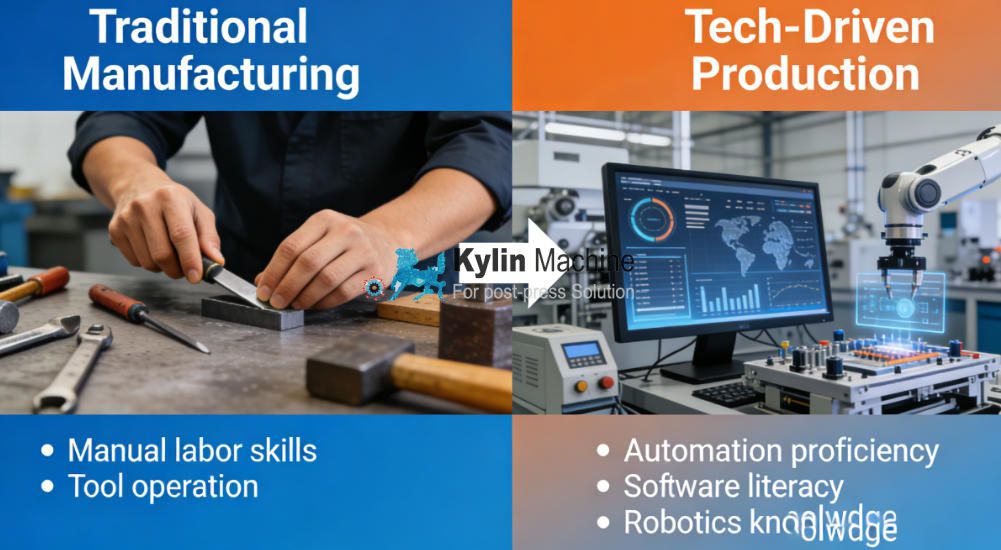
This highlights a critical point: as industries evolve, so must the skills of the workforce. The shift from traditional manufacturing to tech-driven production requires a new kind of worker, one who is comfortable with automation, software, and robotics.
Upskilling for the Future
The future of manufacturing isn’t about replacing people with machines; it’s about people working alongside machines. The new jobs at the transformed Condat site—in recycling, nanocellulose production, and data centers—will require technical expertise.
For your business, this means investing in your people is just as important as investing in new equipment. Here’s what that looks like in practice:
- Training Programs: When we install a new machine, like our Semi-Auto Box Wrapping Machine, we provide training to ensure the operators can use it effectively and safely. The machine is designed to be user-friendly, but proper training helps maximize its potential.
- Focus on New Skills: Encourage your team to learn about the software that runs your machines, data analysis from production reports, and the principles of automation. These are the skills that will be valuable for years to come.
- Create a Culture of Learning: Change can be scary, but it’s also an opportunity for growth. When your team sees that you are investing in their future, they are more likely to embrace new technology and contribute to the company’s success.
The industrial landscape is changing, and the workforce must change with it. By focusing on upskilling and training, you can ensure that your team remains a valuable asset, ready to tackle the challenges of tomorrow.
Recommended article
—
Recommended Products
—
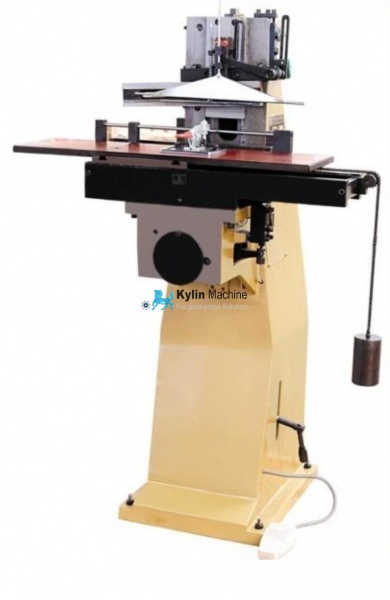
Book index machine
index paper die cutting machine is a special equipment for paper angle cutting in the printing industry
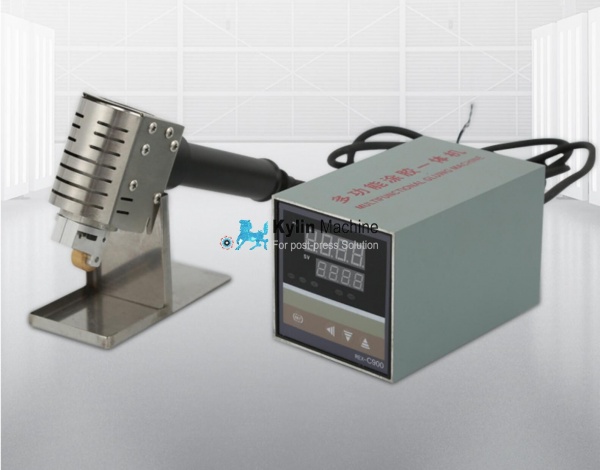
Mini handheld hot glue machine

Layflat board book binding machine
Children’s Board Book Production with PVA Pattern Gluing machine, kid puzzle board book glue binding machine. Animated Children’s Books, Interactive Books.

Rigid collapsible box machine
collapsible box side wing forming machine is a new type of equipment that is economical, practical, and widely used in the manufacturing of gift boxes, primarily for the folding and wrapping of the side panels of the boxes
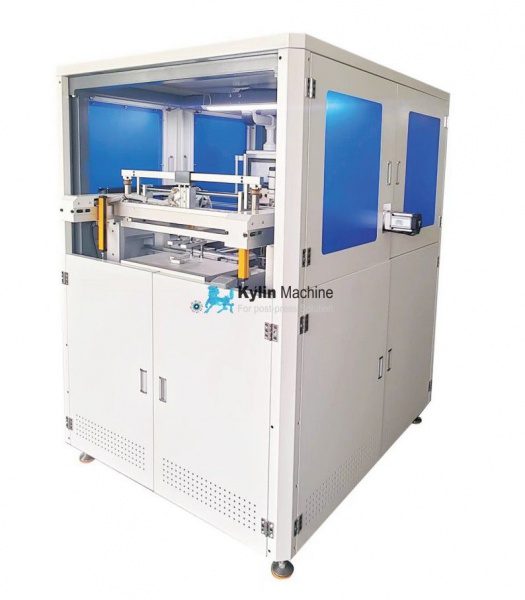
Perfume box making machine
perfume box forming machine adopts a fully disassembled action mode to achieve the automatic forming of perfume box, drawer boxes, slipcase, wine box, etc.

2023 Hard cover book pressing and creasing machine
Hard cover book pressing and creasing machine is a piece of equipment used in the bookbinding process to create professional-looking hardcover books
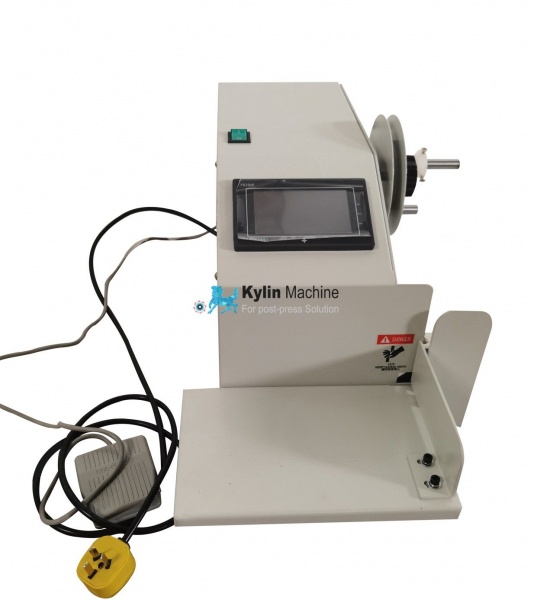
Small head tail band machine
A head tail band machine is a semi-automatic machine that is used to apply head and tail bands to hardcover books. Head and tail bands are decorative strips of cloth or paper that are applied to the top and bottom of the spine of a book. They help to protect the spine and give the book a more finished look.
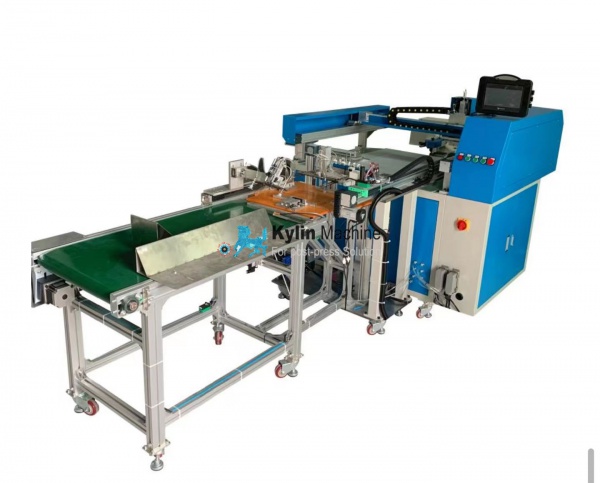
Auto notebook cover making machine Ky-1700
Auto notebook cover machine is used for leather products, including notebook, diary, shoes, bags, gift boxes, jewelry boxes, and ipad/phone cases
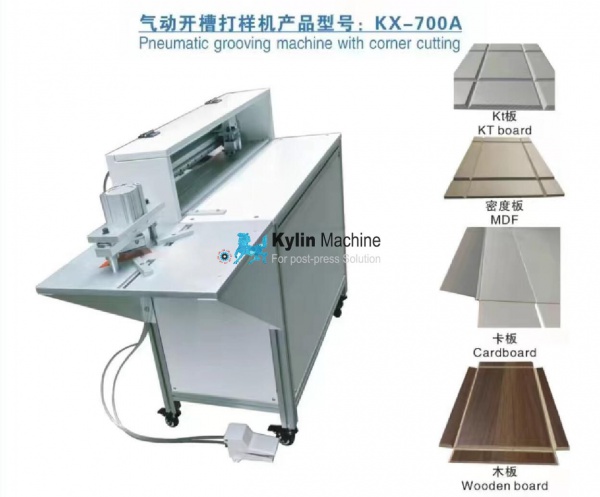
Manual groove machine with corner cutter
A manual groove machine with corner cutter is a device used in paper and cardboard processing to create grooves and corners on sheets of paper or cardboard
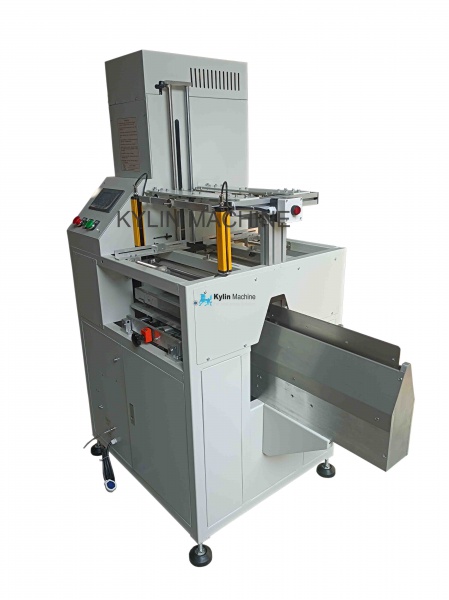
Book casing machine 2023
The equipment can be operated by one to two people. The operator only needs to place the book core and cover
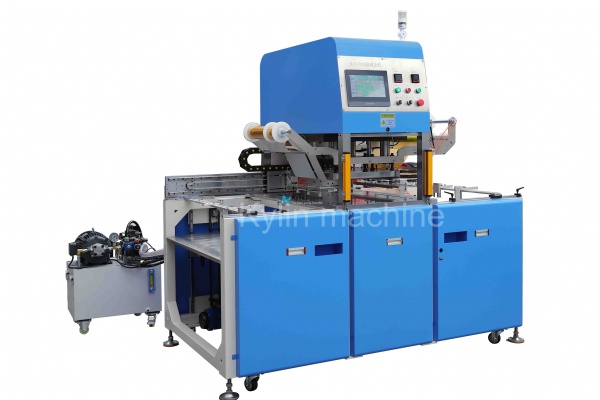
Auto Hydraulic Force Stamping machine
Max Stamp size: 550X450mm Stamping precision: ±0.1mm Pressure power: 10T Overlay the stamped logo
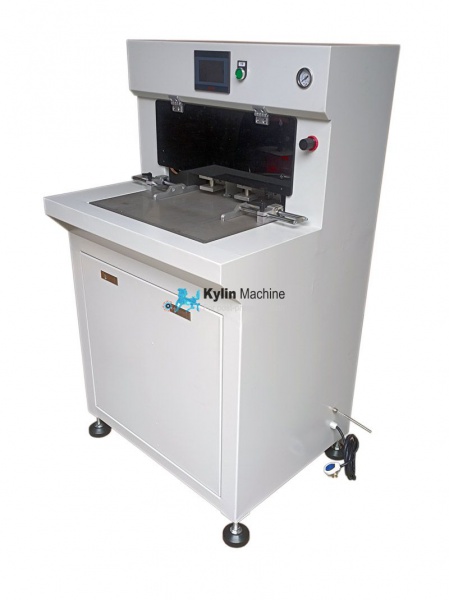
Hardcover rounding machine
Bookcase cover rounding machine press the produced corner bookcase into rounded corners without cutting the material directly install the bookcase, and press the right-angle edge material into the bookcase cover
Recommended Machines
—
Book index machine
index paper die cutting machine is a special equipment for paper angle cutting in the printing industry
Mini handheld hot glue machine
Layflat board book binding machine
Children’s Board Book Production with PVA Pattern Gluing machine, kid puzzle board book glue binding machine. Animated Children’s Books, Interactive Books.
Rigid collapsible box machine
collapsible box side wing forming machine is a new type of equipment that is economical, practical, and widely used in the manufacturing of gift boxes, primarily for the folding and wrapping of the side panels of the boxes
Perfume box making machine
perfume box forming machine adopts a fully disassembled action mode to achieve the automatic forming of perfume box, drawer boxes, slipcase, wine box, etc.
2023 Hard cover book pressing and creasing machine
Hard cover book pressing and creasing machine is a piece of equipment used in the bookbinding process to create professional-looking hardcover books
Small head tail band machine
A head tail band machine is a semi-automatic machine that is used to apply head and tail bands to hardcover books. Head and tail bands are decorative strips of cloth or paper that are applied to the top and bottom of the spine of a book. They help to protect the spine and give the book a more finished look.
Auto notebook cover making machine Ky-1700
Auto notebook cover machine is used for leather products, including notebook, diary, shoes, bags, gift boxes, jewelry boxes, and ipad/phone cases
Manual groove machine with corner cutter
A manual groove machine with corner cutter is a device used in paper and cardboard processing to create grooves and corners on sheets of paper or cardboard
Book casing machine 2023
The equipment can be operated by one to two people. The operator only needs to place the book core and cover
Auto Hydraulic Force Stamping machine
Max Stamp size: 550X450mm Stamping precision: ±0.1mm Pressure power: 10T Overlay the stamped logo
Hardcover rounding machine
Bookcase cover rounding machine press the produced corner bookcase into rounded corners without cutting the material directly install the bookcase, and press the right-angle edge material into the bookcase cover

2022 verion of rigid box machine
it is the most advance machinery for making phone box, tea box, sweet box, shoe box, jewelry box, moon cake box, ect

Glue spray machine
A glue spray machine is a device that is used to apply a thin, even layer of adhesive to a surface. This type of machine is commonly used in the packaging and printing industries to help secure boxes, labels, and other items in place. With its precision spray nozzle, a glue spray machine can quickly and easily apply glue to a variety of materials, including cardboard, paper, and plastic. This can help businesses save time and improve the efficiency of their packaging processes.

Cardboard slitting machine
Cardboard cutting machine is good at cutting bookboards, cardboard paper board. Simple Operation, flexible adjustment, high accuracy and efficiency

Book spine rounding and backing machine
Put the glued book block in the working table, place the book with its back facing in and parallel to the top of the table or slightly beyond the top. After several reciprocating movements of the round series, turn the book block over and re-Repeat the above operation method to make the back of the book form a complete arc
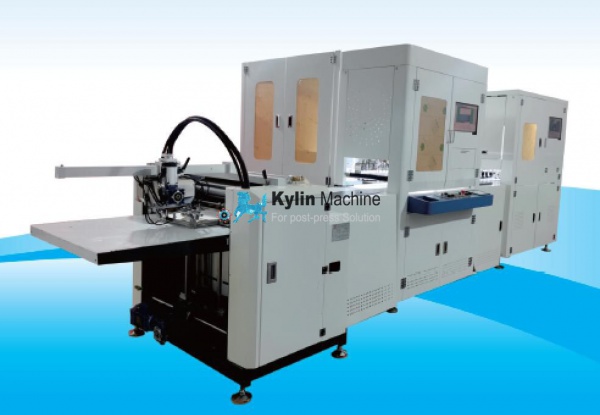
Fully Auto hard cover machine 2022 version
Fully Auto hard cover machine 2022 version

Paper round box making machine 2022 Version
paper round box making machine, not only make the round shape box, but also the irregular shape box with difference shape of molds.
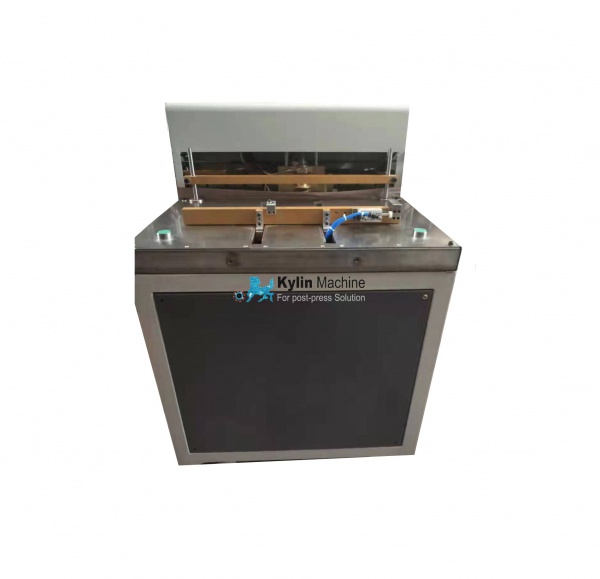
Jewelery box edge gilding machine
Stamp the lines on the jewelry box edge, with 5-8 box feed at one time. your best choice for jewelry box maker
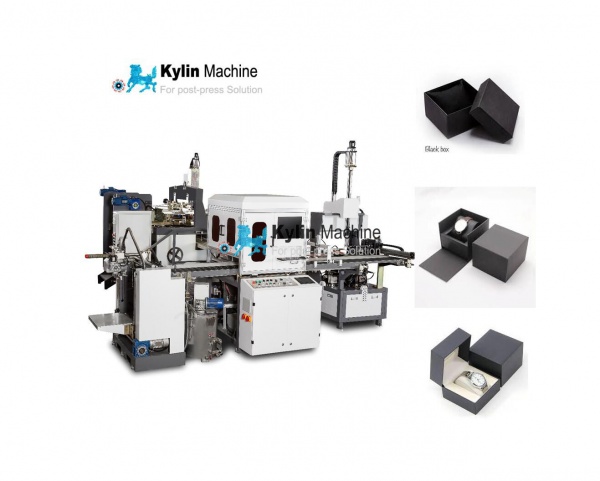
Automatic watch box making machine

Auto hot stamp and thumb cutter
This auto stampingand auto thumb cutter is used to hot foil AFTER the box lid is folded up - finished, and auto cut the thumb of boxes

Robbin machine
Ribbon pasting machine is used high technology to pasting the ribbon on the cover of rigid boxes, jewelry box, luxury package box. auto pasted with double side adhesive tape on the ready ribbon materials, then auto pasting on the cover of box.

Jewellery Box making machine
Jewelry box machine is designed for making high quality box in Curve corner shape, Octagon shape, Square shape box and other special shape withplastic, MDF, cardboard and others materials.
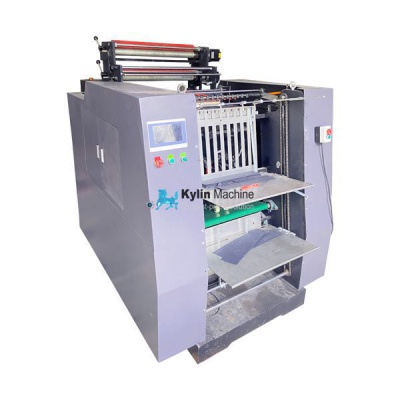
Auto feed die cutting&stamping machine
Auto feeder die cutting&stamping machine, working for 60-3,000gsm paper sheets, cardboards, leather, tissue paper, hard cover, film materials.
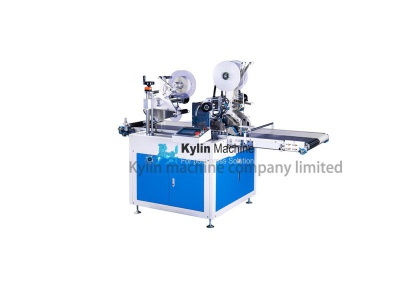
Double-side adhesive tape applicator for foldable box
Double-side adhesive tape applicator for foldable box
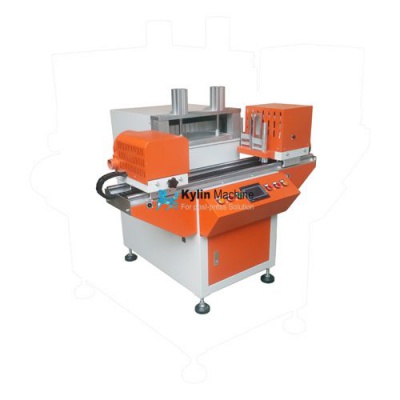
Book edge gilding machine 2021 version
Book edge gilding machine is used for edge gilding of Notebook, Bible book, normal book ,etc, round corner gilding, simple process. esay operated, sanding process and gilding process are all in one machines
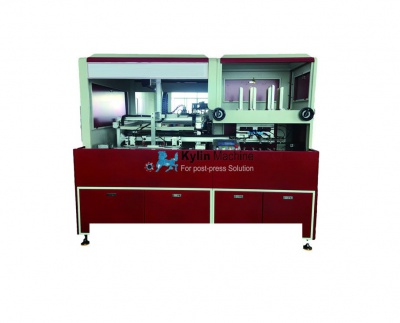
Collapsible boxes machine
The Foldable rigid boxes collapsible gift boxes machine, the box could be foldable while in shipping, save shipping costs and storage costs, it also be called collapsible gift boxes.

Slip Case making machine
We are pleased to introduce our Ky-280 Slipcase making machine. This machine can wrap top piece of the box . It can also make book slip cases. Without sealing the corner of the boards, the board glued with cover can be formed into a slip case with the hi
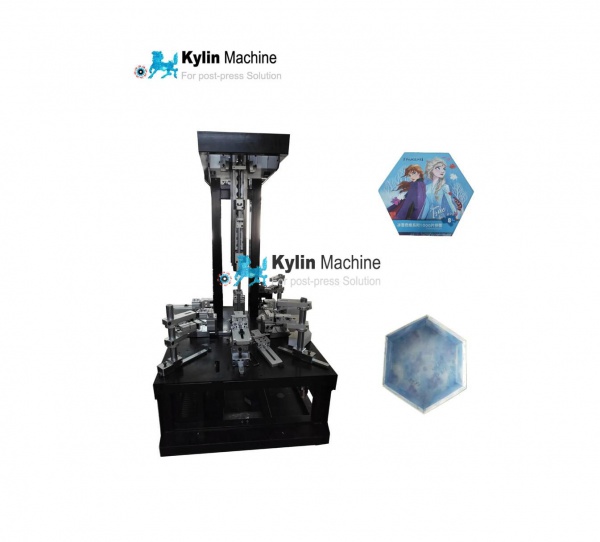
Polygonal box machine
Polygonal rigid box machines, which can customized your rigid boxes business. Triangle shape box, Rectangle shape rigid box, Pentagon shape rigid box, hexagon shape rigid boxes, Octagon shape rigid box, all availabe for making.

Charpie insert machine
Charpie insert machine, foam covered with charpie, no only protect the goods in the boxes, but also decorate the cover of boxes
ADDRESS
haoxin industy, Daojiao town, Dongguan city, China
CONTACT
Ph:+86-13925787347
Mail:admin#iboxmachine.com
点击右上角
分享给朋友吧
NEWSLETTER

