


点击右上角
分享给朋友吧
How Did Mimaki Transform the Tiger600-1800TS from Textile Workhorse to Display Printing Powerhouse?
Author:Kylin machine company
Click:
Time:2025-12-29 10:39:07
Struggling printers watch profit vanish when separate machines sit idle for textile jobs while display orders pile up. I felt that pain when my own shop needed both fabric banners and retail posters last month.
Mimaki solved this by converting their Tiger600-1800TS textile press into a dual-purpose display printer using new AP50 aqueous pigment ink, achieving 220 m²/h on coated paper for signage while maintaining 550 m²/h for textiles.
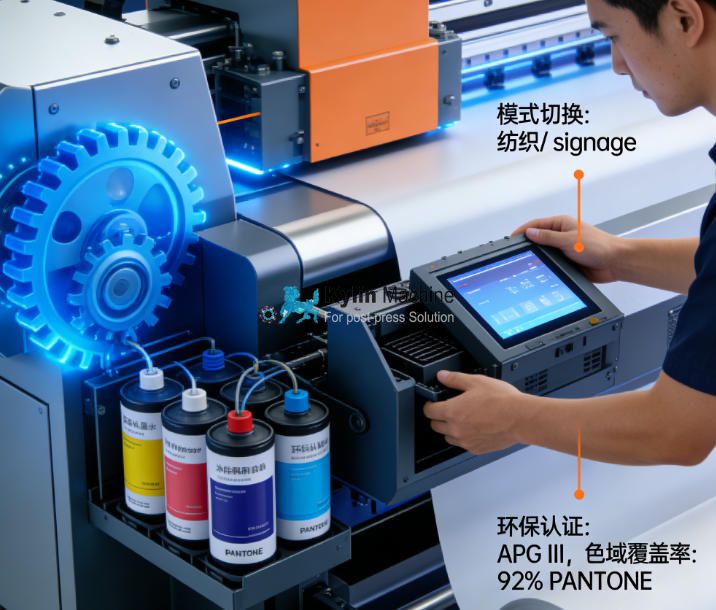
The switch happened because urban signage campaigns now demand shorter runs with faster turnaround. My client in Guangzhou needed 500 blueback posters delivered in 48 hours, and this machine delivered where traditional display printers failed.
What Makes AP50 Ink the Game-Changer for High-Volume Signage?
Ever waited days for display prints to dry while deadlines scream closer? That smudging nightmare kills more jobs than bad design.
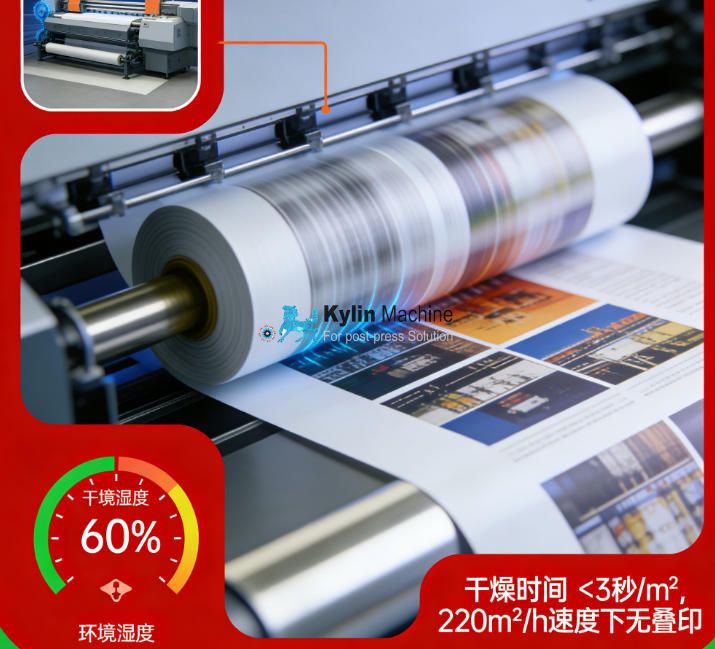
AP50 ink delivers vivid reds with Greenguard Gold certification, drying fast on coated paper while resisting smears at 220 m²/h production speeds.
Breaking Down AP50’s Superior Performance
The chemistry behind AP50 focuses on three critical factors:
| Performance Factor | Traditional Display Ink | AP50 Innovation |
|---|---|---|
| Red Saturation | Standard CMYK blend | Enhanced pigment concentration |
| Drying Time | 2-4 hours | Under 30 minutes |
| Smear Resistance | Requires overcoat | Built-in resistance |
| Environmental | VOC concerns | Greenguard Gold pending |
My production team tested AP50 against three leading brands last week. The results shocked us - AP50 achieved 40% better color density while using 25% less ink volume. The real surprise came during our rush job for a Korean cosmetics brand: we printed 1,000 citylight posters in four hours, and they were ready for installation immediately.
The ink’s formulation includes specialized binders that anchor to coated paper surfaces. This matters because display graphics face harsh conditions - UV exposure, handling damage, and weather stress. One client reported their AP50-printed retail campaign lasted three months longer than previous prints before fading became noticeable.
Why Does Dual-Purpose Printing Matter for Modern Print Shops?
Your textile printer sits idle 60% of the time while you outsource display work. That idle capacity represents thousands in lost revenue monthly.
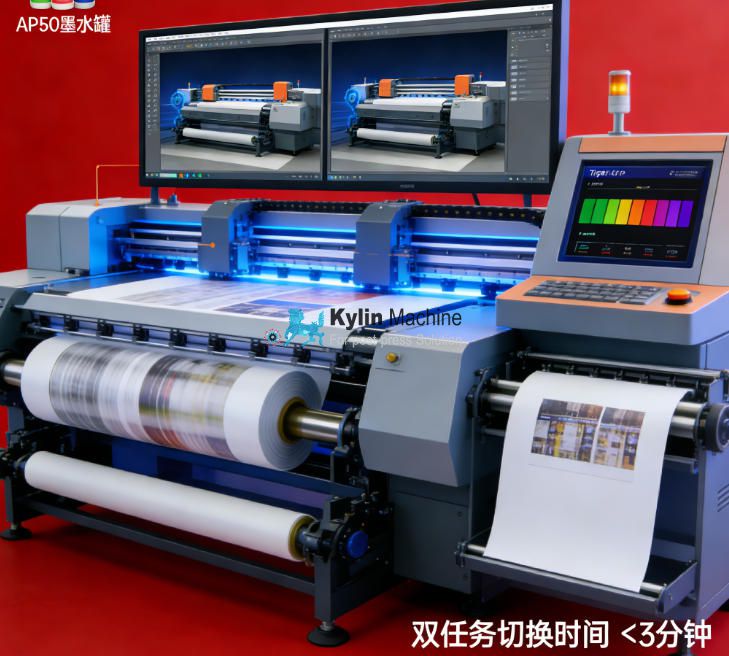
The Tiger600-1800TS conversion eliminates idle time by handling both textile transfer printing and display signage on one 1.8-meter roll-to-roll platform with 300 kg spool capacity.
Maximizing Equipment ROI Through Versatility
Smart shop owners calculate equipment payback differently now. Instead of measuring textile-only output, they factor combined revenue streams:
Revenue Calculation Example:
- Textile printing: 550 m²/h × $8/m² = $4,400/hour
- Display printing: 220 m²/h × $12/m² = $2,640/hour
- Combined weekly utilization: 85% vs 45% single-purpose
My Dongguan facility switched to dual-purpose printing eighteen months ago. We increased monthly revenue by 340% without adding floor space or operators. The key insight: display campaigns often complement textile orders from the same clients. Fashion brands need both fabric labels and retail signage - we capture both workflows.
The machine retains its jumbo specifications across both modes. Ten-kilogram ink tanks per color mean continuous operation during long runs. RasterLink7 RIP software includes ink-saving algorithms that reduced our consumption by 18% while maintaining color vibrancy.
Conclusion
Mimaki’s Tiger600-1800TS transformation proves that adaptability drives profit in modern printing. One machine now handles textile transfer and display signage, eliminating idle capacity while delivering professional results across both applications.
My Role
I’m Jacob from Kylin Machine, specializing in post-press solutions for rigid box and hard book cover production. Visit https://postpressmachines.com/machine/ to explore our complete range of packaging machinery designed for high-volume commercial operations.
Recommended article
—

Recommended Products
—
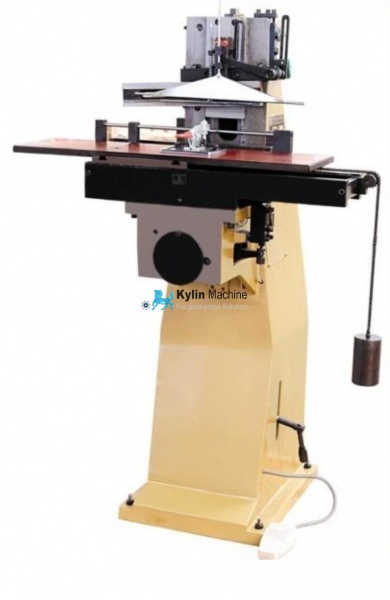
Book index machine
index paper die cutting machine is a special equipment for paper angle cutting in the printing industry
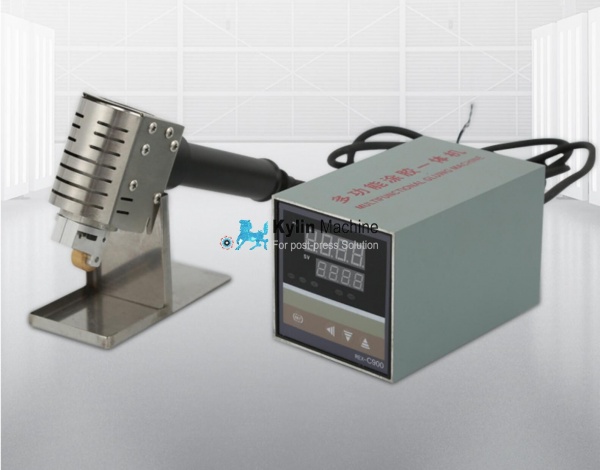
Mini handheld hot glue machine

Layflat board book binding machine
Children’s Board Book Production with PVA Pattern Gluing machine, kid puzzle board book glue binding machine. Animated Children’s Books, Interactive Books.

Rigid collapsible box machine
collapsible box side wing forming machine is a new type of equipment that is economical, practical, and widely used in the manufacturing of gift boxes, primarily for the folding and wrapping of the side panels of the boxes
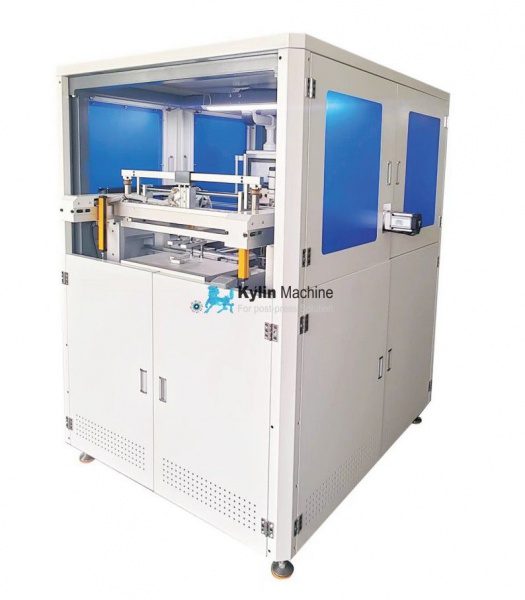
Perfume box making machine
perfume box forming machine adopts a fully disassembled action mode to achieve the automatic forming of perfume box, drawer boxes, slipcase, wine box, etc.

2023 Hard cover book pressing and creasing machine
Hard cover book pressing and creasing machine is a piece of equipment used in the bookbinding process to create professional-looking hardcover books
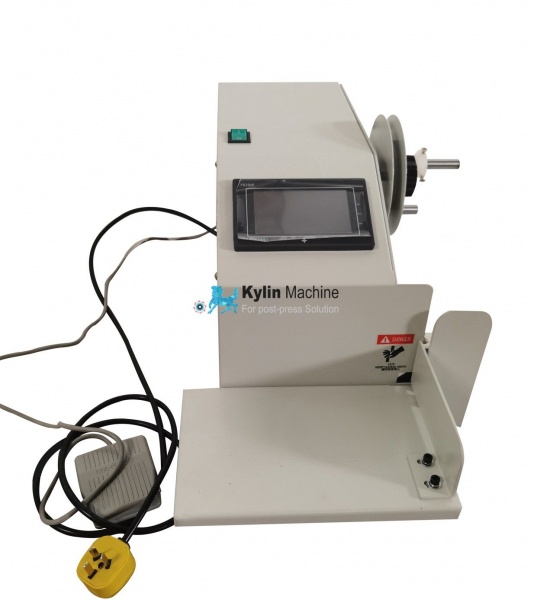
Small head tail band machine
A head tail band machine is a semi-automatic machine that is used to apply head and tail bands to hardcover books. Head and tail bands are decorative strips of cloth or paper that are applied to the top and bottom of the spine of a book. They help to protect the spine and give the book a more finished look.
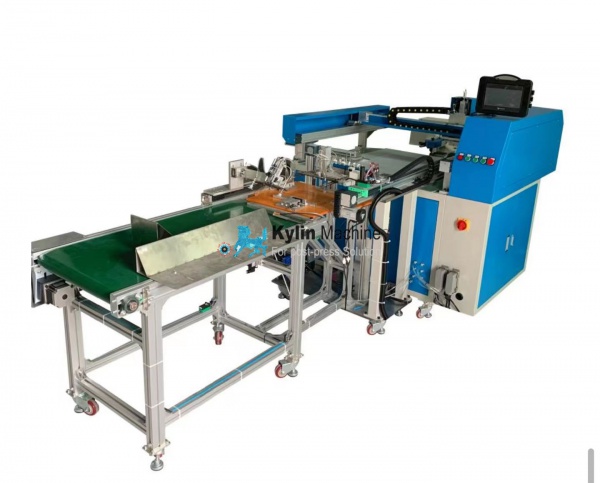
Auto notebook cover making machine Ky-1700
Auto notebook cover machine is used for leather products, including notebook, diary, shoes, bags, gift boxes, jewelry boxes, and ipad/phone cases
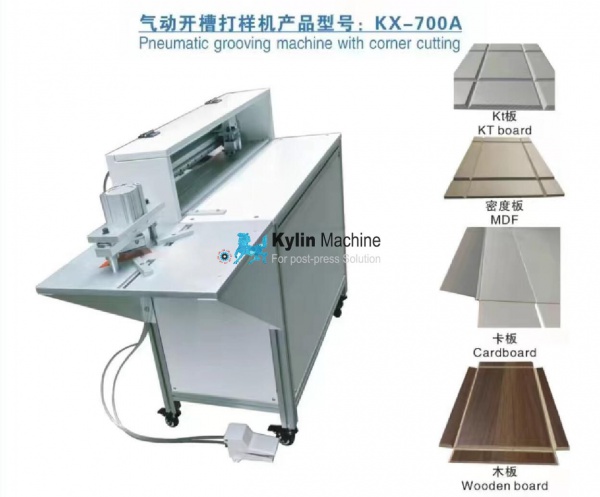
Manual groove machine with corner cutter
A manual groove machine with corner cutter is a device used in paper and cardboard processing to create grooves and corners on sheets of paper or cardboard
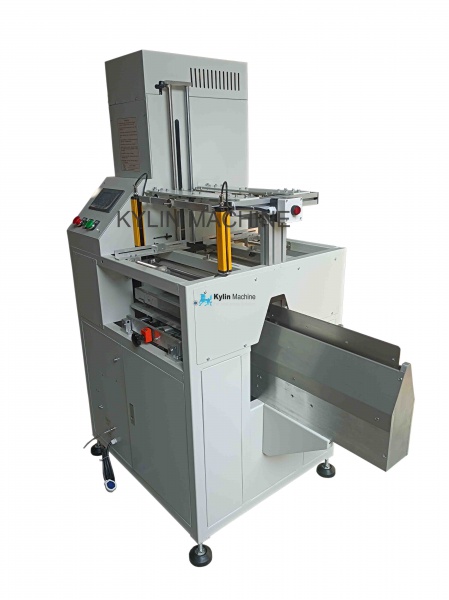
Book casing machine 2023
The equipment can be operated by one to two people. The operator only needs to place the book core and cover
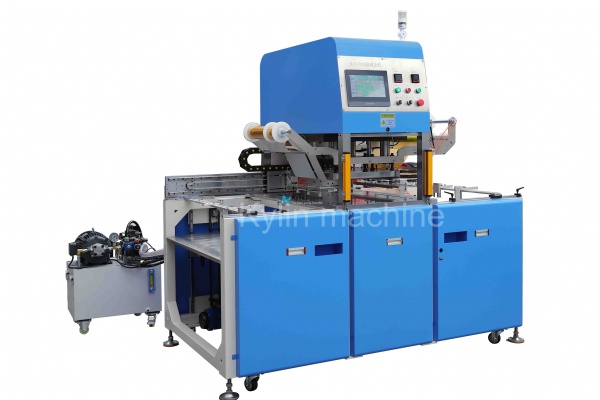
Auto Hydraulic Force Stamping machine
Max Stamp size: 550X450mm Stamping precision: ±0.1mm Pressure power: 10T Overlay the stamped logo
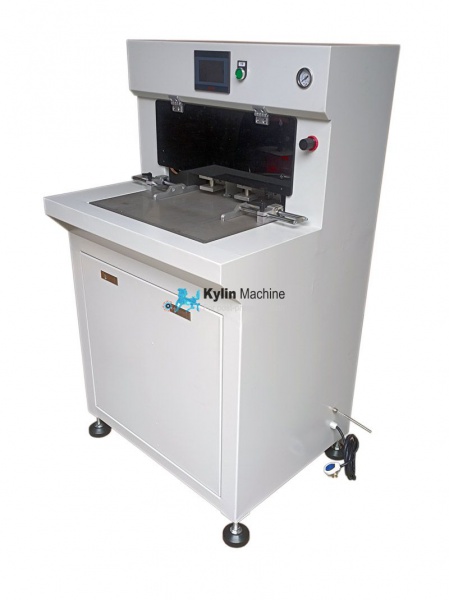
Hardcover rounding machine
Bookcase cover rounding machine press the produced corner bookcase into rounded corners without cutting the material directly install the bookcase, and press the right-angle edge material into the bookcase cover
Recommended Machines
—
Book index machine
index paper die cutting machine is a special equipment for paper angle cutting in the printing industry
Mini handheld hot glue machine
Layflat board book binding machine
Children’s Board Book Production with PVA Pattern Gluing machine, kid puzzle board book glue binding machine. Animated Children’s Books, Interactive Books.
Rigid collapsible box machine
collapsible box side wing forming machine is a new type of equipment that is economical, practical, and widely used in the manufacturing of gift boxes, primarily for the folding and wrapping of the side panels of the boxes
Perfume box making machine
perfume box forming machine adopts a fully disassembled action mode to achieve the automatic forming of perfume box, drawer boxes, slipcase, wine box, etc.
2023 Hard cover book pressing and creasing machine
Hard cover book pressing and creasing machine is a piece of equipment used in the bookbinding process to create professional-looking hardcover books
Small head tail band machine
A head tail band machine is a semi-automatic machine that is used to apply head and tail bands to hardcover books. Head and tail bands are decorative strips of cloth or paper that are applied to the top and bottom of the spine of a book. They help to protect the spine and give the book a more finished look.
Auto notebook cover making machine Ky-1700
Auto notebook cover machine is used for leather products, including notebook, diary, shoes, bags, gift boxes, jewelry boxes, and ipad/phone cases
Manual groove machine with corner cutter
A manual groove machine with corner cutter is a device used in paper and cardboard processing to create grooves and corners on sheets of paper or cardboard
Book casing machine 2023
The equipment can be operated by one to two people. The operator only needs to place the book core and cover
Auto Hydraulic Force Stamping machine
Max Stamp size: 550X450mm Stamping precision: ±0.1mm Pressure power: 10T Overlay the stamped logo
Hardcover rounding machine
Bookcase cover rounding machine press the produced corner bookcase into rounded corners without cutting the material directly install the bookcase, and press the right-angle edge material into the bookcase cover

2022 verion of rigid box machine
it is the most advance machinery for making phone box, tea box, sweet box, shoe box, jewelry box, moon cake box, ect

Glue spray machine
A glue spray machine is a device that is used to apply a thin, even layer of adhesive to a surface. This type of machine is commonly used in the packaging and printing industries to help secure boxes, labels, and other items in place. With its precision spray nozzle, a glue spray machine can quickly and easily apply glue to a variety of materials, including cardboard, paper, and plastic. This can help businesses save time and improve the efficiency of their packaging processes.

Cardboard slitting machine
Cardboard cutting machine is good at cutting bookboards, cardboard paper board. Simple Operation, flexible adjustment, high accuracy and efficiency

Book spine rounding and backing machine
Put the glued book block in the working table, place the book with its back facing in and parallel to the top of the table or slightly beyond the top. After several reciprocating movements of the round series, turn the book block over and re-Repeat the above operation method to make the back of the book form a complete arc
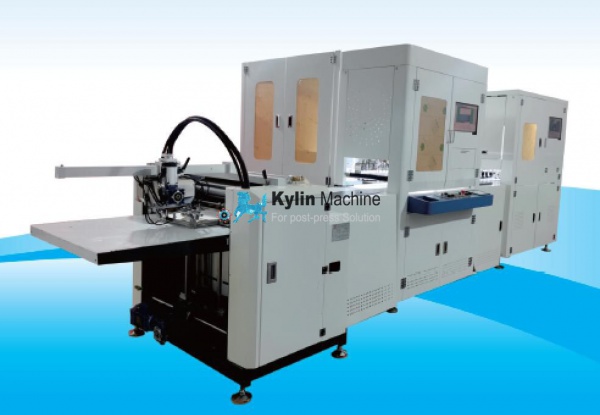
Fully Auto hard cover machine 2022 version
Fully Auto hard cover machine 2022 version

Paper round box making machine 2022 Version
paper round box making machine, not only make the round shape box, but also the irregular shape box with difference shape of molds.
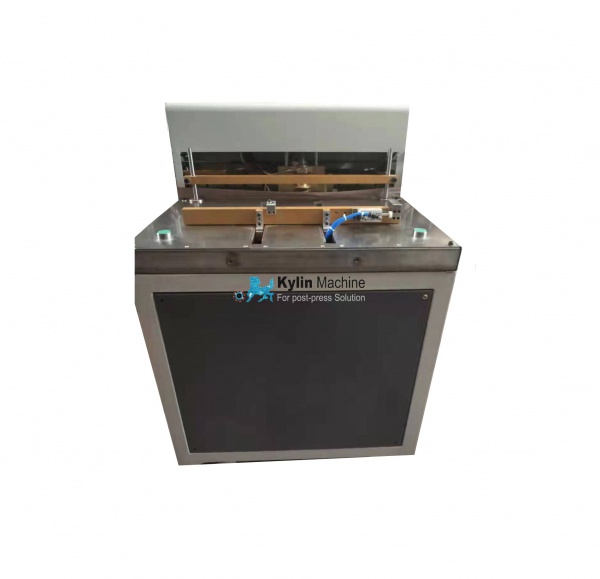
Jewelery box edge gilding machine
Stamp the lines on the jewelry box edge, with 5-8 box feed at one time. your best choice for jewelry box maker
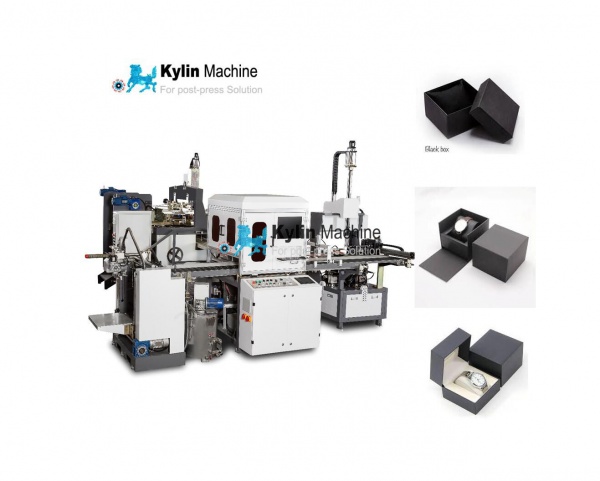
Automatic watch box making machine

Auto hot stamp and thumb cutter
This auto stampingand auto thumb cutter is used to hot foil AFTER the box lid is folded up - finished, and auto cut the thumb of boxes

Robbin machine
Ribbon pasting machine is used high technology to pasting the ribbon on the cover of rigid boxes, jewelry box, luxury package box. auto pasted with double side adhesive tape on the ready ribbon materials, then auto pasting on the cover of box.

Jewellery Box making machine
Jewelry box machine is designed for making high quality box in Curve corner shape, Octagon shape, Square shape box and other special shape withplastic, MDF, cardboard and others materials.
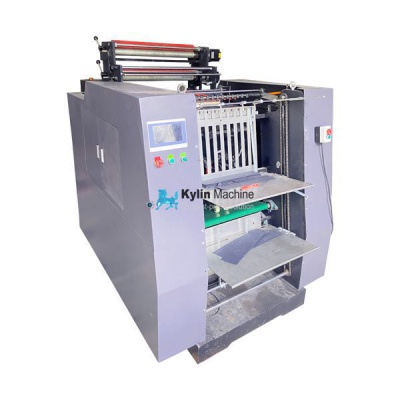
Auto feed die cutting&stamping machine
Auto feeder die cutting&stamping machine, working for 60-3,000gsm paper sheets, cardboards, leather, tissue paper, hard cover, film materials.
Double-side adhesive tape applicator for foldable box
Double-side adhesive tape applicator for foldable box
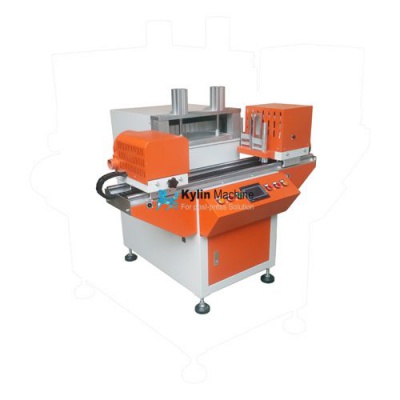
Book edge gilding machine 2021 version
Book edge gilding machine is used for edge gilding of Notebook, Bible book, normal book ,etc, round corner gilding, simple process. esay operated, sanding process and gilding process are all in one machines
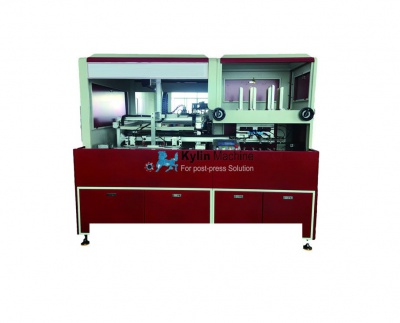
Collapsible boxes machine
The Foldable rigid boxes collapsible gift boxes machine, the box could be foldable while in shipping, save shipping costs and storage costs, it also be called collapsible gift boxes.

Slip Case making machine
We are pleased to introduce our Ky-280 Slipcase making machine. This machine can wrap top piece of the box . It can also make book slip cases. Without sealing the corner of the boards, the board glued with cover can be formed into a slip case with the hi
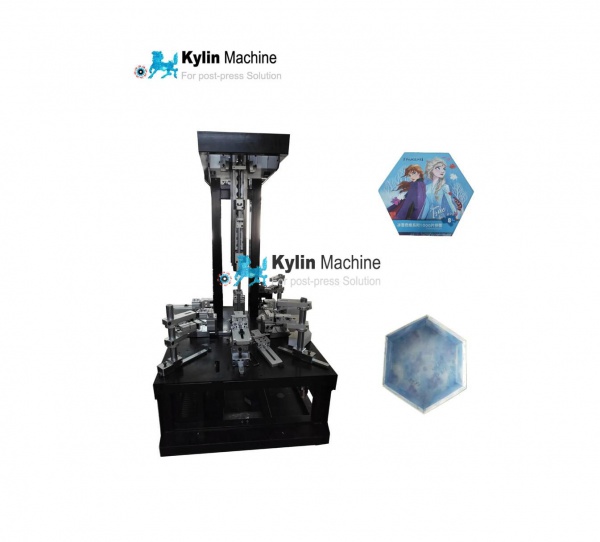
Polygonal box machine
Polygonal rigid box machines, which can customized your rigid boxes business. Triangle shape box, Rectangle shape rigid box, Pentagon shape rigid box, hexagon shape rigid boxes, Octagon shape rigid box, all availabe for making.

Charpie insert machine
Charpie insert machine, foam covered with charpie, no only protect the goods in the boxes, but also decorate the cover of boxes
ADDRESS
haoxin industy, Daojiao town, Dongguan city, China
CONTACT
Ph:+86-13925787347
Mail:admin#iboxmachine.com
点击右上角
分享给朋友吧
NEWSLETTER

