


点击右上角
分享给朋友吧
Lecta’s Big Reorganization: What Does It Mean For Your Packaging Business?
Author:Kylin machine company
Click:
Time:2025-09-28 09:53:58
Your supply chain feels unstable. Big companies are making major moves, leaving you unsure about the future. You need to understand these shifts to protect your business.
Lecta Group, a major European paper supplier, is reorganizing its corporate structure. It’s creating a new UK-based parent company, Lecta Ltd, to streamline operations, increase efficiency, and prepare for future growth. This signals a major trend towards agility in the paper and packaging industry.
I’ve seen big changes like this before in my 20 years in the post-press industry. When a giant like Lecta makes a move, it’s not just internal shuffling. It sends ripples across the entire market, affecting material supply, pricing, and even the products available to us. It’s a signal we all need to pay attention to. For business owners in printing and packaging, understanding these shifts is not just interesting, it’s essential for survival and strategic planning. Let’s look at what this really means for us on the ground.
Why is a Giant Like Lecta Changing Its Structure Now?
Is your current business structure holding you back? Competitors are getting leaner and faster, and outdated systems can mean you get left behind. It’s time to think about agility.
Lecta is reorganizing to create a more efficient and flexible corporate structure. This move helps them adapt to changing market demands, streamline decision-making, and position the company for future financing and growth in the competitive specialty paper and packaging sectors.
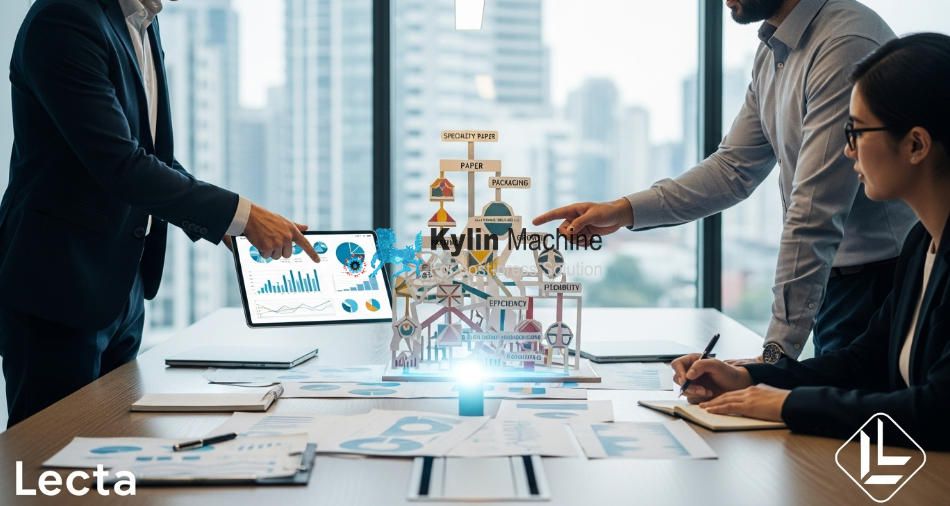
In our industry, standing still is the same as moving backward. I remember a few years ago, we at Kylin Machine looked at our own production workflow. It worked, but it wasn’t as efficient as it could be. We saw small delays adding up. Lecta is doing the same thing on a much larger scale. They face huge market pressures that we all feel in some way.
### Market Pressures Driving Change
The demand for some traditional paper products is down. At the same time, the need for specialty packaging is booming. This means companies must adapt or risk becoming irrelevant. Lecta’s move is a direct response to this. They want to be quicker to respond to opportunities in high-growth areas like premium packaging.
### The Goal: A Leaner Operation
A simpler structure means faster decisions. It cuts down on internal bureaucracy and helps the company focus its resources where they matter most. For a business of any size, this is a valuable lesson. Let’s compare the old way with the new way.
| Aspect | Traditional Structure | Modern, Agile Structure |
|---|---|---|
| Decision Making | Slow, multi-layered approval | Fast, decentralized, closer to the customer |
| Flexibility | Rigid, slow to adapt to market shifts | Dynamic, can pivot quickly to new trends |
| Focus | Internal processes, maintaining status quo | Customer needs, innovation, growth |
| Operations | Siloed departments, potential for waste | Integrated teams, focus on efficiency |
This shift requires more than just new titles on an org chart. It requires operational excellence on the factory floor. It requires machines that can keep up with a faster, more flexible production schedule.
How Will Lecta’s Reorganization Affect Your Paper Supply Chain?
Are you worried about supply chain disruptions? A major supplier changing its structure can feel like a big risk, potentially causing chaos with your orders and material availability.
Lecta’s reorganization could affect your supply chain in several ways. You might see more streamlined ordering processes and a unified product portfolio. However, there could also be short-term changes in sales contacts, logistics, and regional product availability as they consolidate operations.
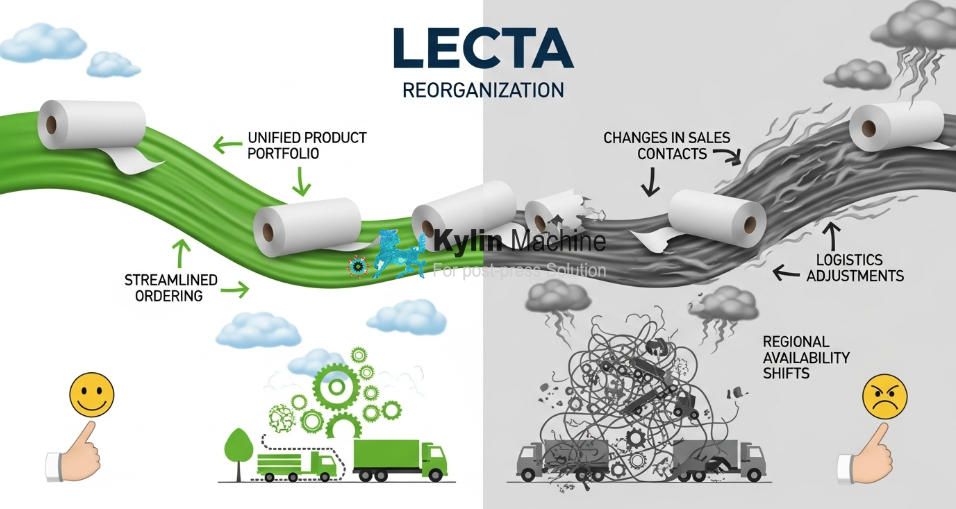
I’ll never forget when one of our key electronic component suppliers was acquired a decade ago. For a few months, it was chaos. Orders were delayed, and our contacts changed three times. It taught me a valuable lesson: be prepared. A change with a paper supplier like Lecta can have a similar impact on your printing or box-making business. It’s important to look at both the potential good and the potential bad.
### Potential Positives
A more efficient Lecta could be a great thing. A streamlined company might lead to more consistent product quality and more stable pricing in the long run. They might also invest more in R&D, bringing innovative new substrates to the market that could give your products a competitive edge. A single, unified point of contact might simplify ordering for businesses that operate in multiple regions.
### Potential Negatives
In the short term, mergers and reorganizations can be messy. You might find that your trusted sales rep is reassigned, or that a specific paper line you depend on is discontinued as part of their new, focused strategy. There could be logistical hiccups as they merge warehousing and distribution systems.
Here’s a simple breakdown of what you, as a customer, might experience:
| Potential PROS for Your Business | Potential CONS for Your Business |
|---|---|
| More stable pricing long-term | Short-term price fluctuations |
| Access to new, innovative materials | Discontinuation of familiar product lines |
| Simplified, centralized ordering | Changes to your sales and support contacts |
| Improved product consistency | Potential for temporary delivery delays |
The key is to talk to your supplier. Ask questions now to understand how this will affect your account and plan accordingly.
What Can We Learn From Lecta’s Strategy for Our Own Operations?
Do you ignore big corporate news? It’s easy to think it doesn’t apply to your business, but these moves often signal major market shifts that will affect everyone.
The key lesson from Lecta’s strategy is the critical importance of proactive adaptation. For any business in our industry, focusing on operational efficiency, maintaining a flexible structure, and planning for future market changes are essential for long-term survival and growth.
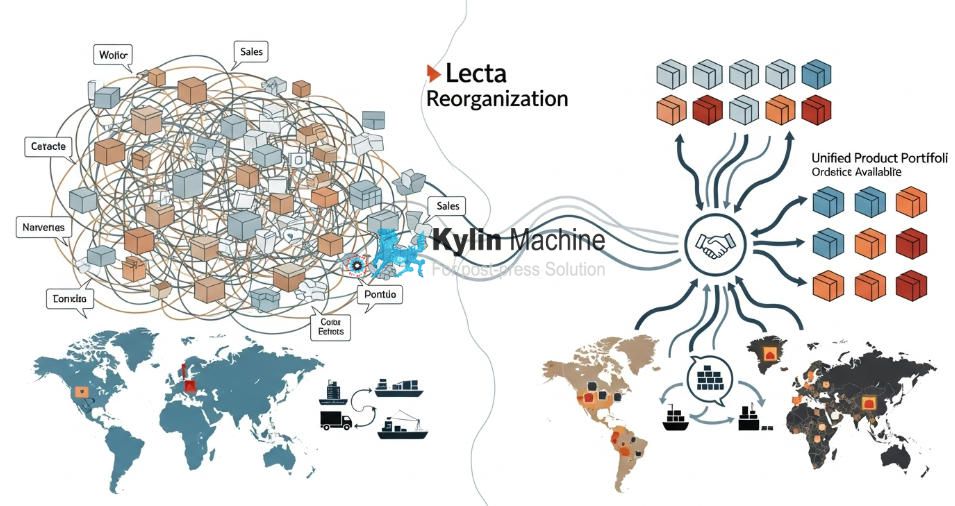
When I started Kylin Machinery in 2003, my focus was just on building a good machine. But over the years, I’ve learned that you have to watch the entire industry. The moves made by giants like Lecta are like a weather forecast for the rest of us. They have teams of analysts, so their actions tell us where the market is heading. We can use their strategy as a blueprint to make our own businesses stronger, no matter our size.
### Lesson 1: Be Proactive, Not Reactive
Lecta isn’t making this change because they are in a crisis. They are doing it to prepare for the future. For us, this means we should always be asking: “How can we be better?” Don’t wait for sales to drop to invest in new technology or improve a workflow. Do it when you’re strong.
### Lesson 2: Efficiency is Everything
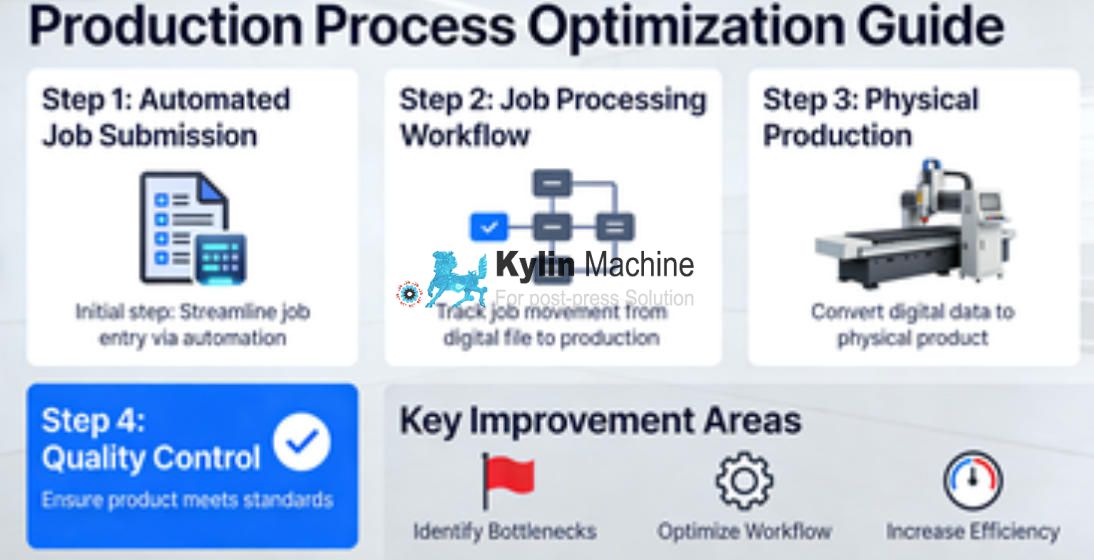
Their goal is a “more efficient and flexible” structure. This should be the goal for our production floors too. Where are your bottlenecks? How much time is lost in setup? Answering these questions is how you become more profitable. This is why we’ve poured so much R&D into our Robotic Spotter technology at Kylin. We want to eliminate those bottlenecks for our customers, making them more efficient.
Here are some actionable steps inspired by Lecta’s move:
| Strategic Area | Actionable Step for Your Business |
|---|---|
| Structure | Review your team’s workflow. Can you simplify approvals or communication? |
| Operations | Identify your least efficient process. Research technology or training to improve it. |
| Market | Talk to your customers. Are their needs changing? Can you offer a new service? |
| Finance | Review your finances. Are you positioned to invest in new equipment for future growth? |
Thinking like a big company, even when you’re small, is how you grow.
How Does Advanced Technology Support a Corporate Shake-Up Like Lecta’s?
Thinking of reorganizing? Just moving boxes on an org chart without the right tools won’t fix underlying problems. You might end up with the same issues in a new package.
Advanced technology is the engine that makes a new corporate structure work. Automation, real-time data analytics, and integrated systems are essential to achieving the efficiency, agility, and control that corporate reorganizations like Lecta’s aim to create on the factory floor.
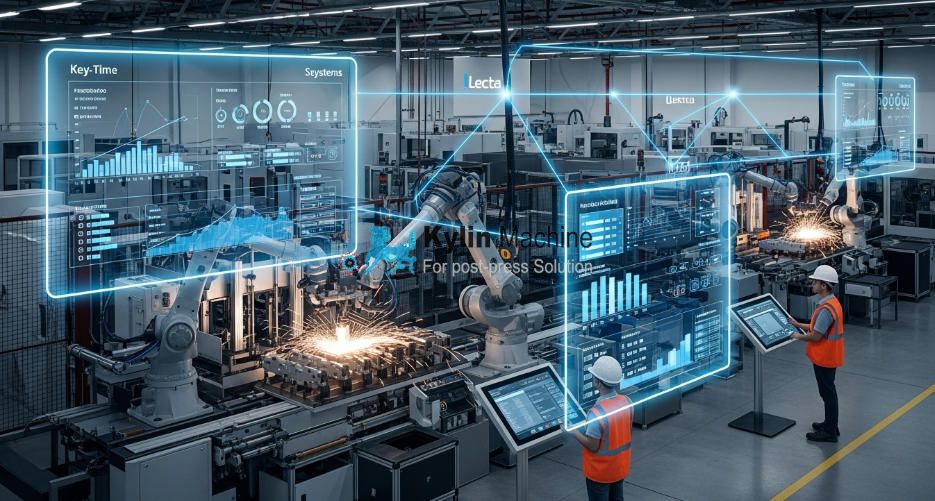
A streamlined corporate structure is only half the battle. To truly become more efficient, that new structure needs accurate, real-time information from the production floor. This is a conversation I have with my clients all the time. They want to be more agile, to take on more complex, short-run jobs. But they can’t do it if their machinery is slow and requires constant manual intervention. A modern business model requires modern manufacturing technology.
### Connecting the Office to the Floor
Imagine Lecta’s new, centralized purchasing department. To make smart decisions, they need to know exactly how much material is being used, in real-time, across all their mills. This is where Industry 4.0 comes in. Smart machines on the factory floor can communicate this data automatically. This means:
- Less Waste: Order exactly what you need, when you need it.
- Better Planning: See production trends as they happen, not weeks later in a report.
- True Agility: Quickly shift production priorities based on real-time information.
### The Role of Automation
To support a flexible business structure, your machines must also be flexible. This is the whole idea behind our Hybrid machines at Kylin. They are designed for quick changeovers and can handle a wide variety of jobs, from rigid boxes to hardcover books. Technology like our Robotic Spotter takes this even further, using vision systems to ensure perfect placement with minimal human oversight. This level of automation is no longer a luxury; it’s essential for any company that wants to compete on efficiency and quality. It is the key to making a strategic reorganization successful where it counts: in the products you make and the money you earn.
Conclusion
Lecta’s reorganization is a clear sign for our industry. Change is constant, and being proactive is vital. The key to future success lies in embracing efficiency, agility, and modern technology.
Recommended article
—

Recommended Products
—
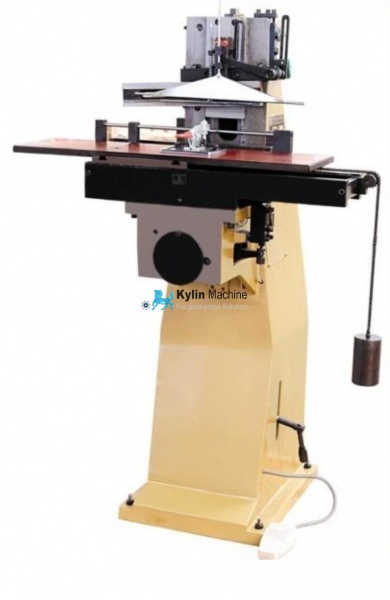
Book index machine
index paper die cutting machine is a special equipment for paper angle cutting in the printing industry
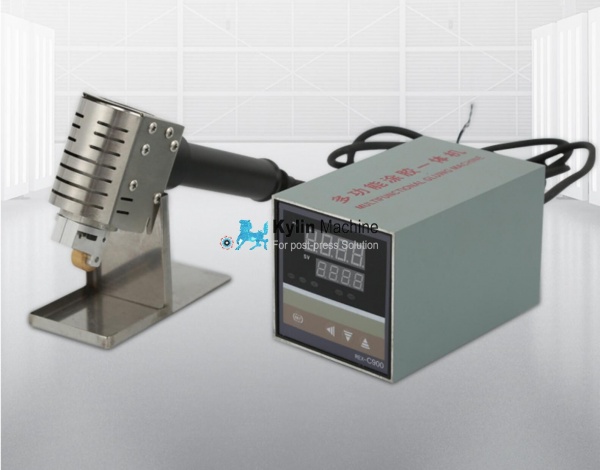
Mini handheld hot glue machine

Layflat board book binding machine
Children’s Board Book Production with PVA Pattern Gluing machine, kid puzzle board book glue binding machine. Animated Children’s Books, Interactive Books.

Rigid collapsible box machine
collapsible box side wing forming machine is a new type of equipment that is economical, practical, and widely used in the manufacturing of gift boxes, primarily for the folding and wrapping of the side panels of the boxes
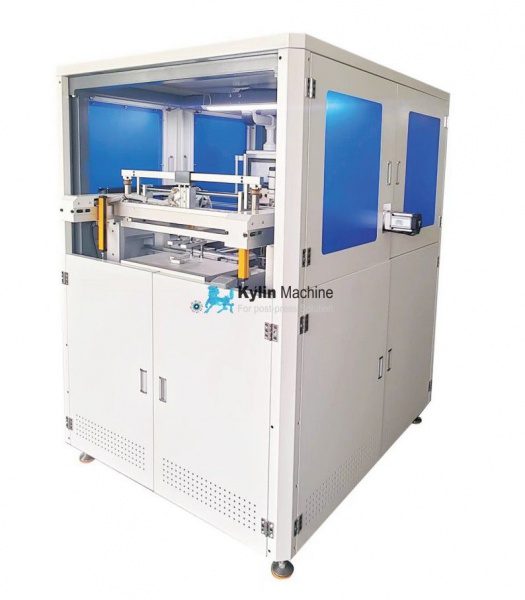
Perfume box making machine
perfume box forming machine adopts a fully disassembled action mode to achieve the automatic forming of perfume box, drawer boxes, slipcase, wine box, etc.

2023 Hard cover book pressing and creasing machine
Hard cover book pressing and creasing machine is a piece of equipment used in the bookbinding process to create professional-looking hardcover books
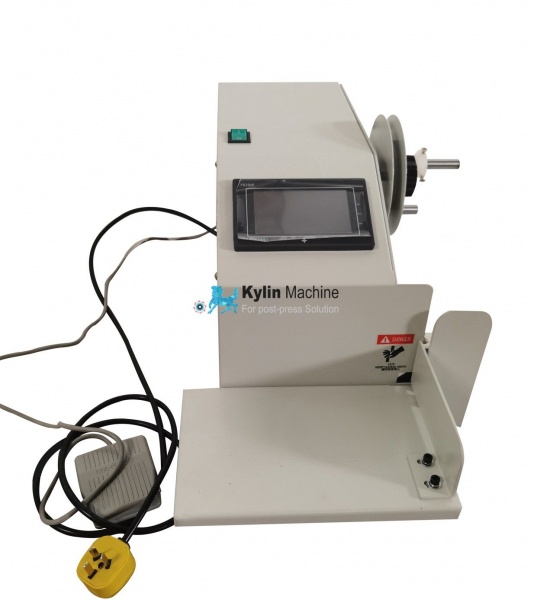
Small head tail band machine
A head tail band machine is a semi-automatic machine that is used to apply head and tail bands to hardcover books. Head and tail bands are decorative strips of cloth or paper that are applied to the top and bottom of the spine of a book. They help to protect the spine and give the book a more finished look.
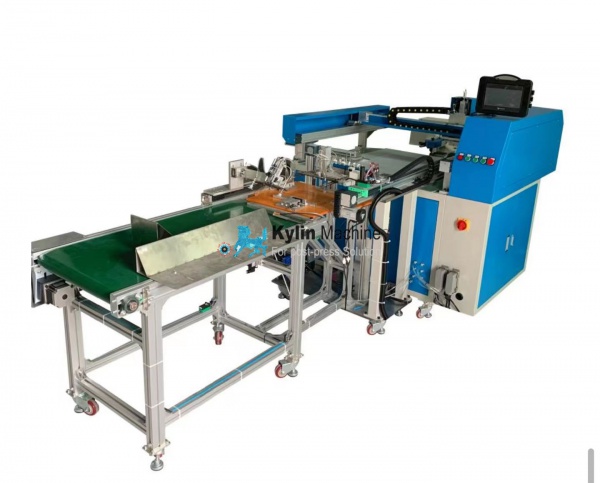
Auto notebook cover making machine Ky-1700
Auto notebook cover machine is used for leather products, including notebook, diary, shoes, bags, gift boxes, jewelry boxes, and ipad/phone cases
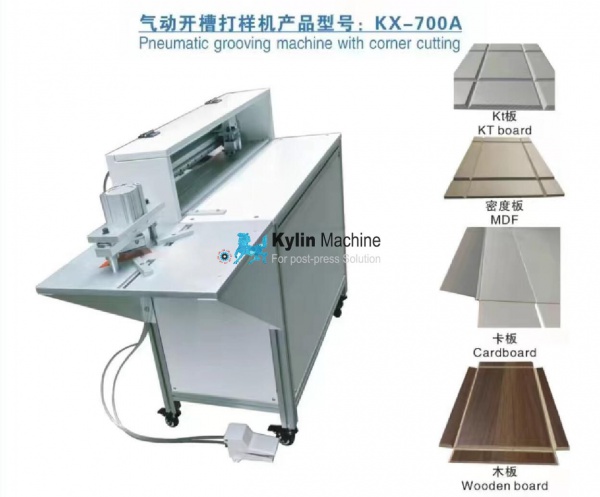
Manual groove machine with corner cutter
A manual groove machine with corner cutter is a device used in paper and cardboard processing to create grooves and corners on sheets of paper or cardboard
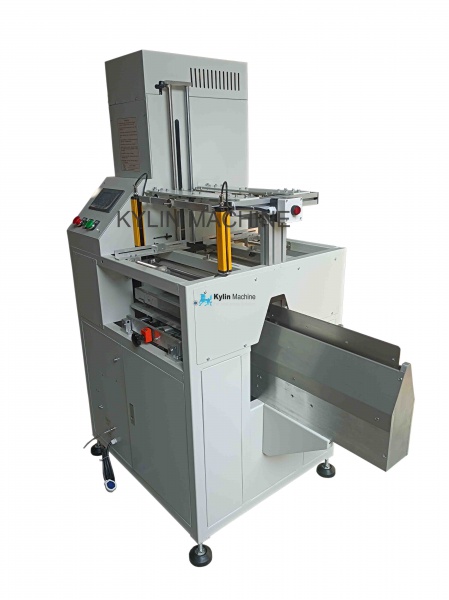
Book casing machine 2023
The equipment can be operated by one to two people. The operator only needs to place the book core and cover
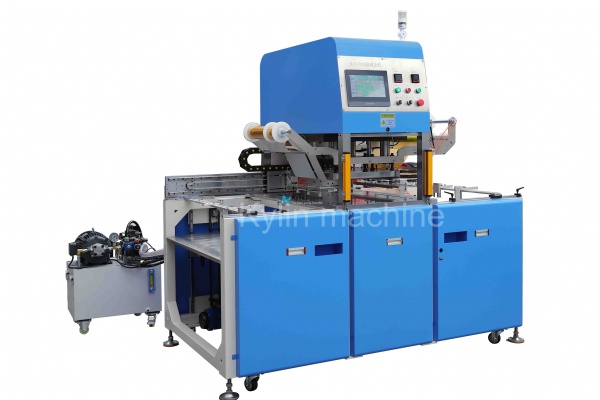
Auto Hydraulic Force Stamping machine
Max Stamp size: 550X450mm Stamping precision: ±0.1mm Pressure power: 10T Overlay the stamped logo
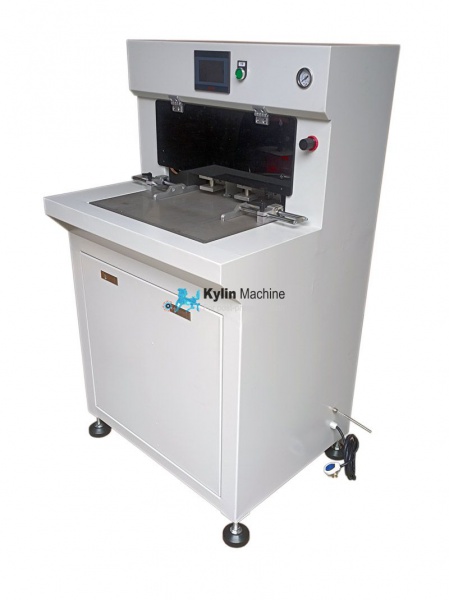
Hardcover rounding machine
Bookcase cover rounding machine press the produced corner bookcase into rounded corners without cutting the material directly install the bookcase, and press the right-angle edge material into the bookcase cover
Recommended Machines
—
Book index machine
index paper die cutting machine is a special equipment for paper angle cutting in the printing industry
Mini handheld hot glue machine
Layflat board book binding machine
Children’s Board Book Production with PVA Pattern Gluing machine, kid puzzle board book glue binding machine. Animated Children’s Books, Interactive Books.
Rigid collapsible box machine
collapsible box side wing forming machine is a new type of equipment that is economical, practical, and widely used in the manufacturing of gift boxes, primarily for the folding and wrapping of the side panels of the boxes
Perfume box making machine
perfume box forming machine adopts a fully disassembled action mode to achieve the automatic forming of perfume box, drawer boxes, slipcase, wine box, etc.
2023 Hard cover book pressing and creasing machine
Hard cover book pressing and creasing machine is a piece of equipment used in the bookbinding process to create professional-looking hardcover books
Small head tail band machine
A head tail band machine is a semi-automatic machine that is used to apply head and tail bands to hardcover books. Head and tail bands are decorative strips of cloth or paper that are applied to the top and bottom of the spine of a book. They help to protect the spine and give the book a more finished look.
Auto notebook cover making machine Ky-1700
Auto notebook cover machine is used for leather products, including notebook, diary, shoes, bags, gift boxes, jewelry boxes, and ipad/phone cases
Manual groove machine with corner cutter
A manual groove machine with corner cutter is a device used in paper and cardboard processing to create grooves and corners on sheets of paper or cardboard
Book casing machine 2023
The equipment can be operated by one to two people. The operator only needs to place the book core and cover
Auto Hydraulic Force Stamping machine
Max Stamp size: 550X450mm Stamping precision: ±0.1mm Pressure power: 10T Overlay the stamped logo
Hardcover rounding machine
Bookcase cover rounding machine press the produced corner bookcase into rounded corners without cutting the material directly install the bookcase, and press the right-angle edge material into the bookcase cover

2022 verion of rigid box machine
it is the most advance machinery for making phone box, tea box, sweet box, shoe box, jewelry box, moon cake box, ect

Glue spray machine
A glue spray machine is a device that is used to apply a thin, even layer of adhesive to a surface. This type of machine is commonly used in the packaging and printing industries to help secure boxes, labels, and other items in place. With its precision spray nozzle, a glue spray machine can quickly and easily apply glue to a variety of materials, including cardboard, paper, and plastic. This can help businesses save time and improve the efficiency of their packaging processes.

Cardboard slitting machine
Cardboard cutting machine is good at cutting bookboards, cardboard paper board. Simple Operation, flexible adjustment, high accuracy and efficiency

Book spine rounding and backing machine
Put the glued book block in the working table, place the book with its back facing in and parallel to the top of the table or slightly beyond the top. After several reciprocating movements of the round series, turn the book block over and re-Repeat the above operation method to make the back of the book form a complete arc
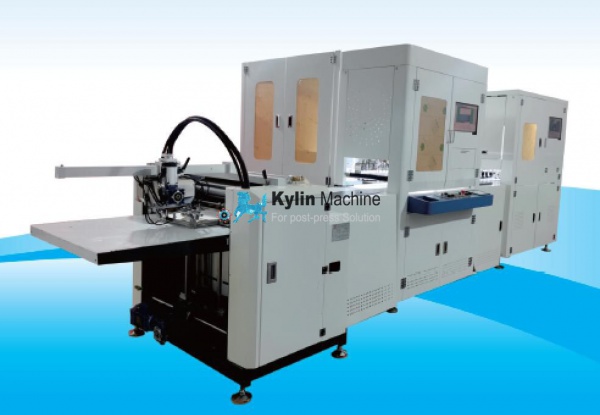
Fully Auto hard cover machine 2022 version
Fully Auto hard cover machine 2022 version

Paper round box making machine 2022 Version
paper round box making machine, not only make the round shape box, but also the irregular shape box with difference shape of molds.
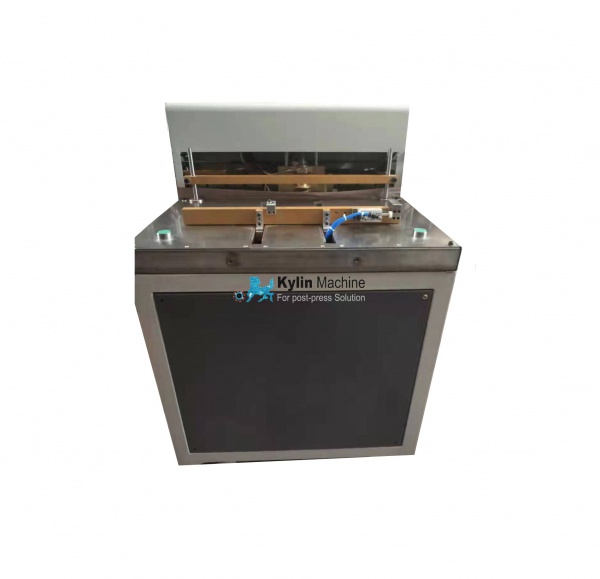
Jewelery box edge gilding machine
Stamp the lines on the jewelry box edge, with 5-8 box feed at one time. your best choice for jewelry box maker
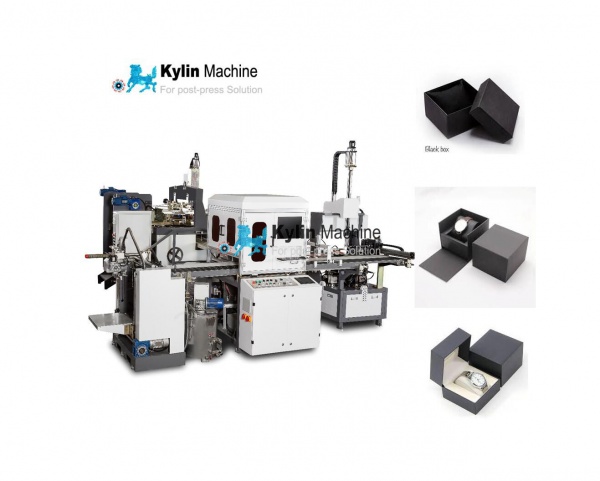
Automatic watch box making machine

Auto hot stamp and thumb cutter
This auto stampingand auto thumb cutter is used to hot foil AFTER the box lid is folded up - finished, and auto cut the thumb of boxes

Robbin machine
Ribbon pasting machine is used high technology to pasting the ribbon on the cover of rigid boxes, jewelry box, luxury package box. auto pasted with double side adhesive tape on the ready ribbon materials, then auto pasting on the cover of box.

Jewellery Box making machine
Jewelry box machine is designed for making high quality box in Curve corner shape, Octagon shape, Square shape box and other special shape withplastic, MDF, cardboard and others materials.
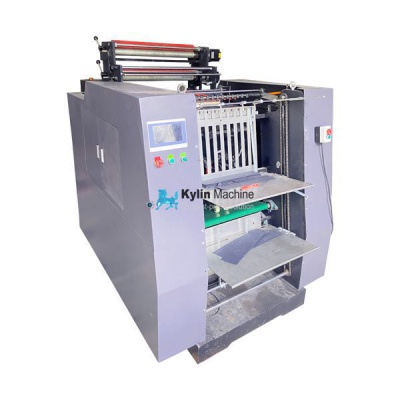
Auto feed die cutting&stamping machine
Auto feeder die cutting&stamping machine, working for 60-3,000gsm paper sheets, cardboards, leather, tissue paper, hard cover, film materials.
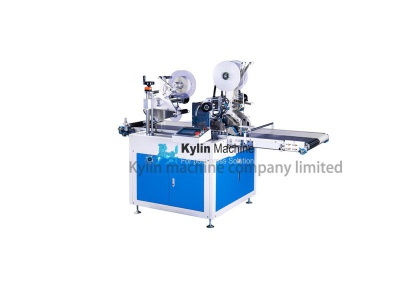
Double-side adhesive tape applicator for foldable box
Double-side adhesive tape applicator for foldable box
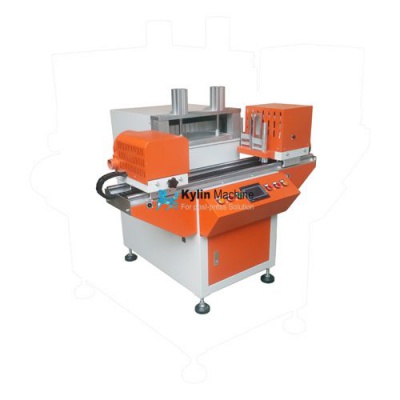
Book edge gilding machine 2021 version
Book edge gilding machine is used for edge gilding of Notebook, Bible book, normal book ,etc, round corner gilding, simple process. esay operated, sanding process and gilding process are all in one machines
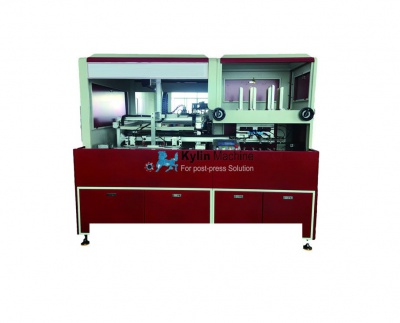
Collapsible boxes machine
The Foldable rigid boxes collapsible gift boxes machine, the box could be foldable while in shipping, save shipping costs and storage costs, it also be called collapsible gift boxes.

Slip Case making machine
We are pleased to introduce our Ky-280 Slipcase making machine. This machine can wrap top piece of the box . It can also make book slip cases. Without sealing the corner of the boards, the board glued with cover can be formed into a slip case with the hi
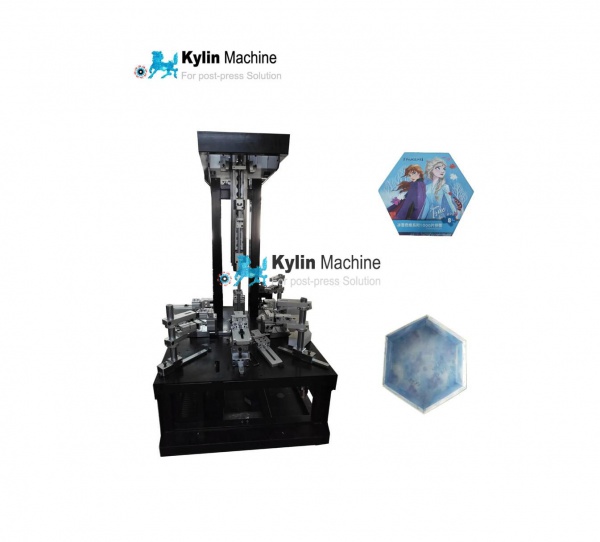
Polygonal box machine
Polygonal rigid box machines, which can customized your rigid boxes business. Triangle shape box, Rectangle shape rigid box, Pentagon shape rigid box, hexagon shape rigid boxes, Octagon shape rigid box, all availabe for making.

Charpie insert machine
Charpie insert machine, foam covered with charpie, no only protect the goods in the boxes, but also decorate the cover of boxes
ADDRESS
haoxin industy, Daojiao town, Dongguan city, China
CONTACT
Ph:+86-13925787347
Mail:admin#iboxmachine.com
点击右上角
分享给朋友吧
NEWSLETTER

