


点击右上角
分享给朋友吧
Is HP About to Buy Landa Digital Printing?
Author:Kylin machine company
Click:
Time:2025-07-11 12:49:44
Struggling to keep up with digital printing news? The market is changing fast, and a huge new deal could leave you behind if you're not prepared.
Yes, it seems very possible. Landa Digital Printing is reportedly facing financial trouble and is looking for a 'strategic partner.' Industry giant HP is named as a likely buyer, a move that could completely reshape the digital printing world.
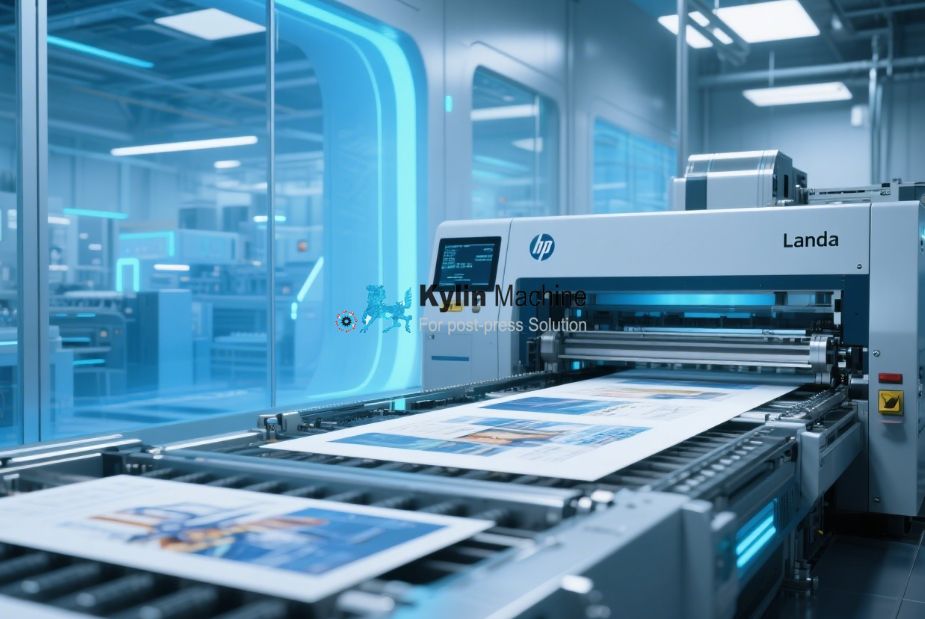
This news is big for everyone in our industry. When a major player like HP considers buying an innovator like Landa, we all need to pay attention. It’s not just about two companies; it’s about the future of the technology we use every day. This affects everything from print quality to the cost of machinery. It’s important to understand what’s happening, so let’s look deeper into what this could mean for all of us.
What's the Big Deal About Landa's Nanography Anyway?
Heard about Nanography but don't get the hype? This new technology promises a lot, but its high cost and slow adoption have been a big problem for many.
Nanography is a unique digital printing process. It uses special NanoInk jets to create an image on a heated blanket. This image is then transferred perfectly to the paper or plastic. This method allows high-speed printing on almost any material.
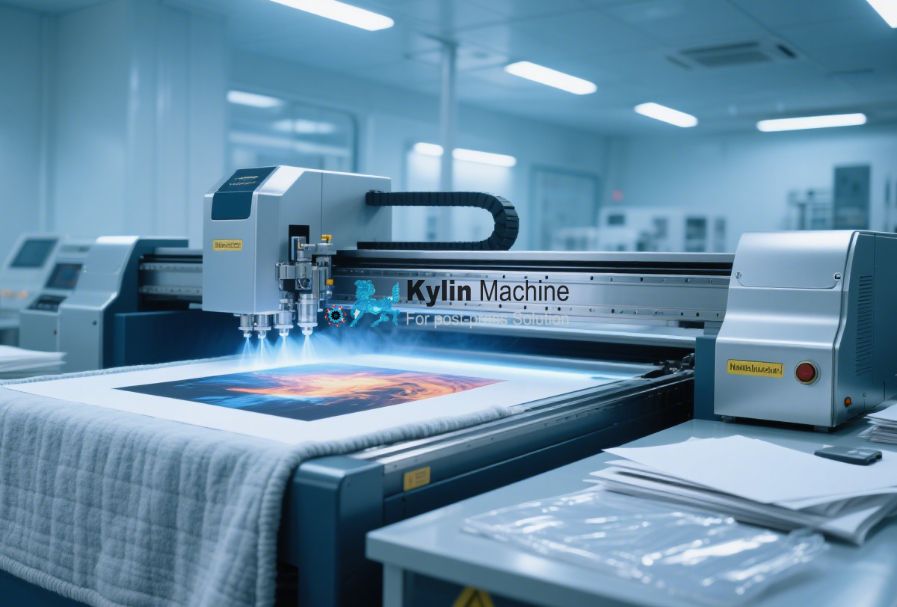
I've been in the machine business for over 20 years with Kylin Machine, and I've seen many new technologies come and go. Landa's Nanography is one of the most interesting. The idea is to combine the best parts of offset printing and digital printing. You get the speed and versatility of offset, but with the flexibility of digital.
How Nanography Stands Out
The core idea is simple but clever. Instead of printing directly onto the paper, it prints onto a special belt first. The ink dries instantly on this belt, forming a thin, perfect layer. Then, this layer is transferred to the material. This process is why it can print on so many different surfaces, from coated paper to plastic films, without special treatment. For packaging producers, this is a huge advantage.
Here is a simple table to show the differences:
| Feature | Offset Printing | Traditional Digital | Landa Nanography |
|---|---|---|---|
| Speed | Very high on long runs | Slower | High on short to medium runs |
| Substrate | Limited, needs specific paper | Limited | Almost any surface |
| Setup Cost | High (plates needed) | Low | Low (no plates) |
| Per-Print Cost | Low on long runs | High | Medium |
| Quality | Very High | Good to High | Very High |
The problem has always been the cost and reliability. These machines are very expensive. For a new technology to succeed, it needs to be reliable and affordable. An acquisition by a giant like HP could solve these problems by providing money for research and a global service network.
How Could an HP-Landa Deal Affect Your Packaging Business?
Worried about your equipment becoming outdated? A major industry merger could change everything, from the cost of new machines to the level of competition, impacting your profits.
An HP acquisition could make Nanography more affordable and reliable. This means more competition in high-quality, short-run packaging. It could also drive down prices, forcing your business to adapt and find new ways to be efficient, especially in post-press operations.
For my customers who make rigid boxes, book covers, and other high-end packaging, the printing stage is just the beginning. The real value comes from the finishing and assembly. That’s where our Kylin machines, like our robotic spotters, come in. But what happens on the printing floor directly affects the post-press work. If this HP-Landa deal happens, you need to be ready for the changes.
The Opportunity: More Customization
First, the good news. If Nanography becomes more common, it will be easier for you to offer highly customized, short-run packaging. Imagine a customer wanting 500 special boxes with a unique design. With Nanography, you could print this job quickly and profitably. This opens up new markets, especially with brands that want to create limited-edition products. Your ability to offer unique, high-quality boxes will be a major selling point.
The Challenge: Fierce Competition
Now, the challenge. If more of your competitors get this technology, the market will become tougher. Everyone will be able to offer high-quality, fast-turnaround jobs. This usually leads to price wars. To stay profitable, you can't just compete on price. You must be more efficient. This is why having a top-tier post-press department is critical. If your printing becomes faster, your box-making and case-making must keep up. An efficient production line, from printing to the final box, is the only way to protect your profits when competition gets fierce. Investing in modern, automated post-press machines is no longer a luxury; it becomes a necessity.
Are We Facing a Major Shake-up in the Printing Industry?
Feeling the ground shift under your feet? A giant like HP absorbing an innovator like Landa could trigger an earthquake across the entire printing landscape, changing our world.
Absolutely. If HP buys Landa, it creates a powerful new force in high-end digital printing. This would directly challenge existing players like Heidelberg and Koenig & Bauer. This move would also speed up the shift from analog to digital for many mainstream printing jobs.
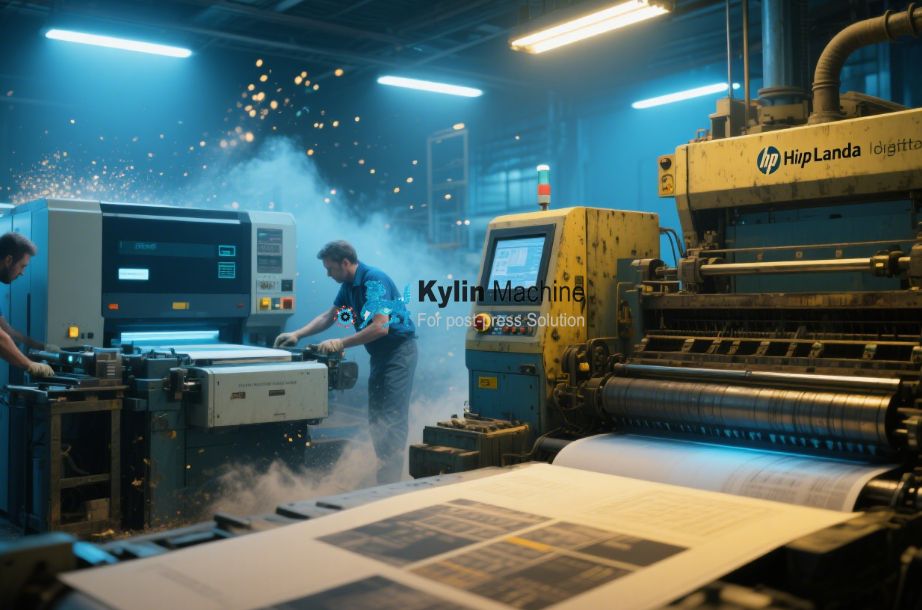
This isn't just about one new machine. It's about the entire direction of our industry. At Kylin Machine, we work with over 2,500 users in more than 20 countries. I talk to people from all over the world, and we all see the same trend: digital is growing. A move like this from HP would be like pouring gasoline on a fire. It would accelerate everything.
The New Competitive Landscape
HP is already a leader in digital printing with its Indigo presses, which are great for labels and some commercial work. Landa's technology is aimed at folding cartons, publishing, and other markets that have been harder for digital to break into. By buying Landa, HP would cover almost the entire spectrum of printing.
Here’s how the main players might stack up after a deal:
| Company | Key Technology | Main Market | Potential Strategy with HP-Landa Deal |
|---|---|---|---|
| HP (with Landa) | Indigo & Nanography | Labels, Commercial, Packaging | Dominate all sectors of digital printing. |
| Heidelberg | Offset & Digital | Commercial, Packaging | Must accelerate digital plans to compete. |
| Koenig & Bauer | Offset & Digital | Packaging, Security | Focus on their specialized high-end markets. |
| Komori | Offset & Digital | Commercial, Currency | Strengthen their niche and digital offerings. |
What This Means for Your Future Investments
As a business owner, you constantly have to decide where to invest your money. Should you buy a new printer? Or should you upgrade your post-press equipment? This news makes that decision even more complex. An HP-Landa press might be the future, but it will still be expensive. My advice is to always focus on your entire production line. A fast new printer is useless if your box-making process is slow. The most successful businesses I see are the ones that balance their investments. They ensure that for every dollar they spend on printing, they also invest in making their finishing and assembly faster and more automated. This is the key to real, sustainable profit.
Conclusion
This potential HP-Landa deal is a major event. It signals big changes for digital printing, especially in packaging. We must all watch closely and be ready to adapt.
Recommended article
—

Recommended Products
—
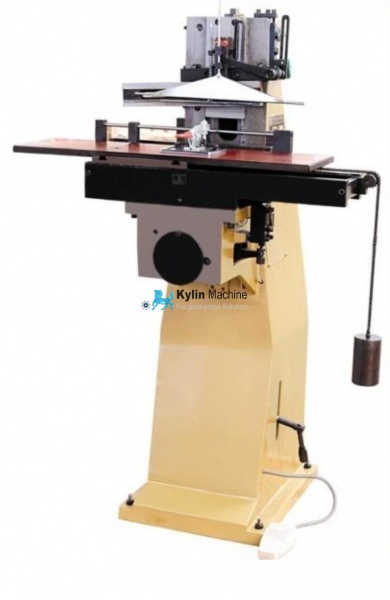
Book index machine
index paper die cutting machine is a special equipment for paper angle cutting in the printing industry
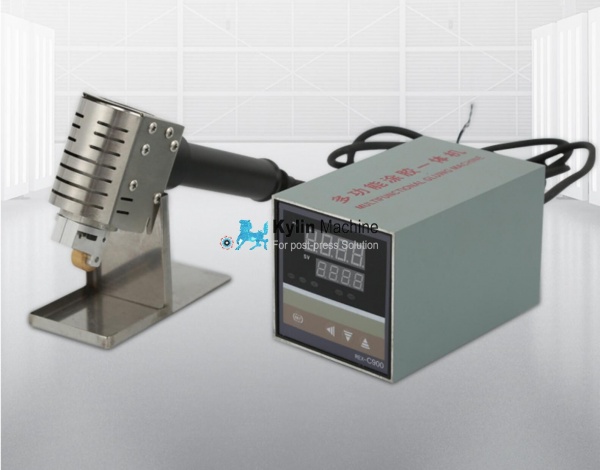
Mini handheld hot glue machine

Layflat board book binding machine
Children’s Board Book Production with PVA Pattern Gluing machine, kid puzzle board book glue binding machine. Animated Children’s Books, Interactive Books.

Rigid collapsible box machine
collapsible box side wing forming machine is a new type of equipment that is economical, practical, and widely used in the manufacturing of gift boxes, primarily for the folding and wrapping of the side panels of the boxes
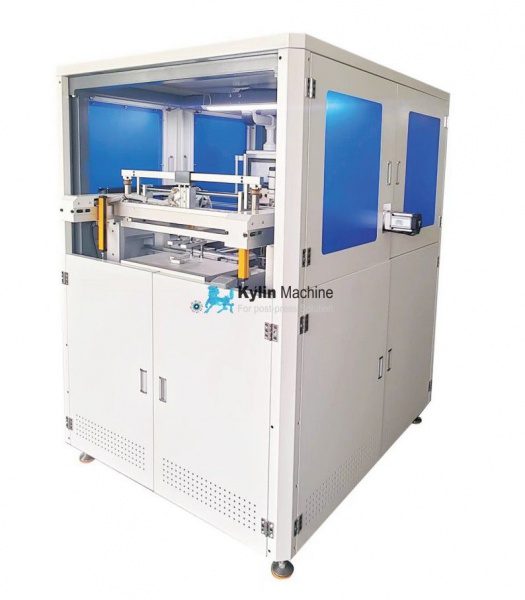
Perfume box making machine
perfume box forming machine adopts a fully disassembled action mode to achieve the automatic forming of perfume box, drawer boxes, slipcase, wine box, etc.

2023 Hard cover book pressing and creasing machine
Hard cover book pressing and creasing machine is a piece of equipment used in the bookbinding process to create professional-looking hardcover books
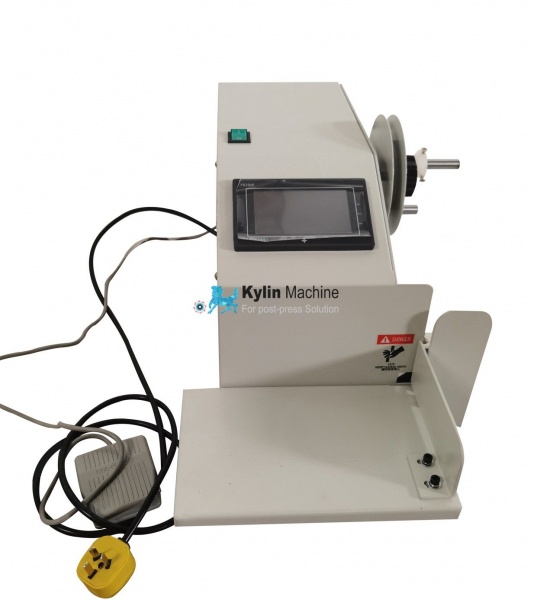
Small head tail band machine
A head tail band machine is a semi-automatic machine that is used to apply head and tail bands to hardcover books. Head and tail bands are decorative strips of cloth or paper that are applied to the top and bottom of the spine of a book. They help to protect the spine and give the book a more finished look.
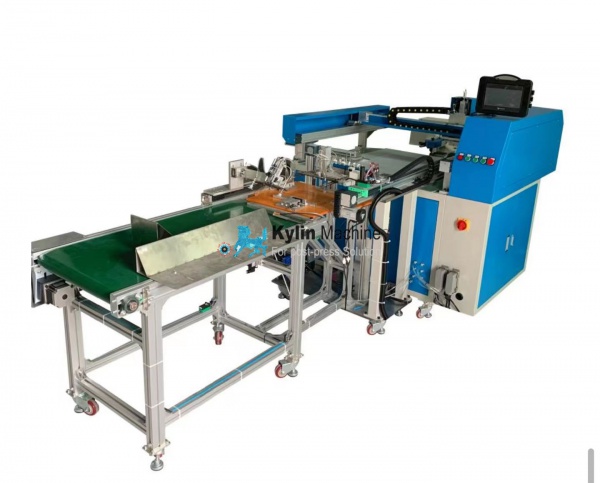
Auto notebook cover making machine Ky-1700
Auto notebook cover machine is used for leather products, including notebook, diary, shoes, bags, gift boxes, jewelry boxes, and ipad/phone cases
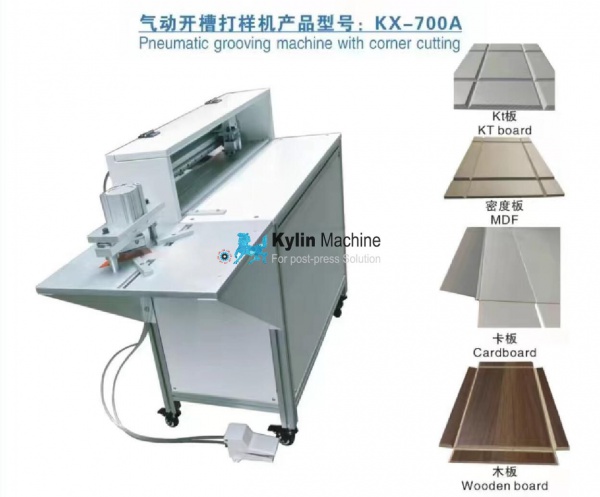
Manual groove machine with corner cutter
A manual groove machine with corner cutter is a device used in paper and cardboard processing to create grooves and corners on sheets of paper or cardboard
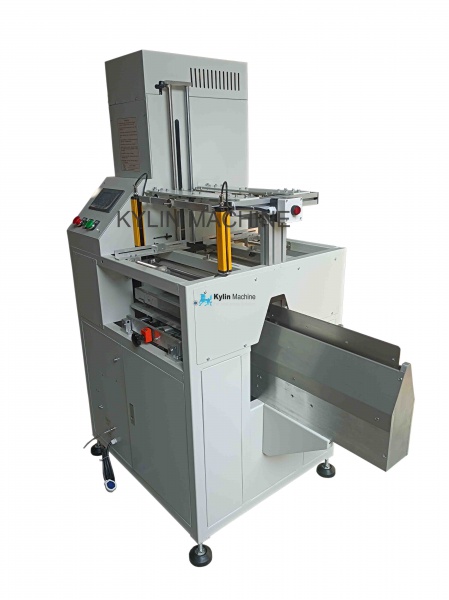
Book casing machine 2023
The equipment can be operated by one to two people. The operator only needs to place the book core and cover
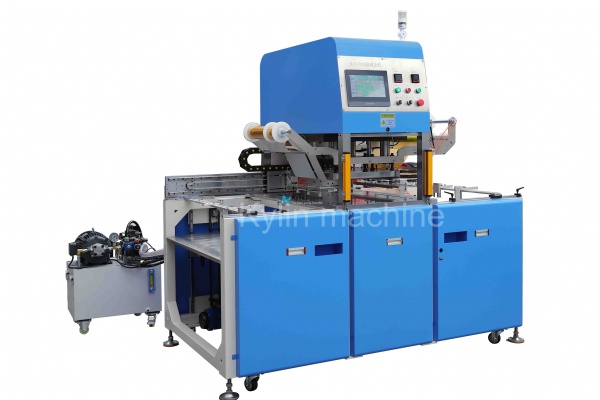
Auto Hydraulic Force Stamping machine
Max Stamp size: 550X450mm Stamping precision: ±0.1mm Pressure power: 10T Overlay the stamped logo
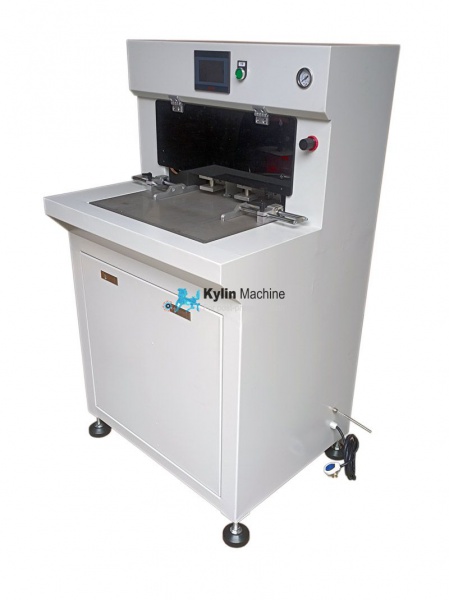
Hardcover rounding machine
Bookcase cover rounding machine press the produced corner bookcase into rounded corners without cutting the material directly install the bookcase, and press the right-angle edge material into the bookcase cover
Recommended Machines
—
Book index machine
index paper die cutting machine is a special equipment for paper angle cutting in the printing industry
Mini handheld hot glue machine
Layflat board book binding machine
Children’s Board Book Production with PVA Pattern Gluing machine, kid puzzle board book glue binding machine. Animated Children’s Books, Interactive Books.
Rigid collapsible box machine
collapsible box side wing forming machine is a new type of equipment that is economical, practical, and widely used in the manufacturing of gift boxes, primarily for the folding and wrapping of the side panels of the boxes
Perfume box making machine
perfume box forming machine adopts a fully disassembled action mode to achieve the automatic forming of perfume box, drawer boxes, slipcase, wine box, etc.
2023 Hard cover book pressing and creasing machine
Hard cover book pressing and creasing machine is a piece of equipment used in the bookbinding process to create professional-looking hardcover books
Small head tail band machine
A head tail band machine is a semi-automatic machine that is used to apply head and tail bands to hardcover books. Head and tail bands are decorative strips of cloth or paper that are applied to the top and bottom of the spine of a book. They help to protect the spine and give the book a more finished look.
Auto notebook cover making machine Ky-1700
Auto notebook cover machine is used for leather products, including notebook, diary, shoes, bags, gift boxes, jewelry boxes, and ipad/phone cases
Manual groove machine with corner cutter
A manual groove machine with corner cutter is a device used in paper and cardboard processing to create grooves and corners on sheets of paper or cardboard
Book casing machine 2023
The equipment can be operated by one to two people. The operator only needs to place the book core and cover
Auto Hydraulic Force Stamping machine
Max Stamp size: 550X450mm Stamping precision: ±0.1mm Pressure power: 10T Overlay the stamped logo
Hardcover rounding machine
Bookcase cover rounding machine press the produced corner bookcase into rounded corners without cutting the material directly install the bookcase, and press the right-angle edge material into the bookcase cover

2022 verion of rigid box machine
it is the most advance machinery for making phone box, tea box, sweet box, shoe box, jewelry box, moon cake box, ect

Glue spray machine
A glue spray machine is a device that is used to apply a thin, even layer of adhesive to a surface. This type of machine is commonly used in the packaging and printing industries to help secure boxes, labels, and other items in place. With its precision spray nozzle, a glue spray machine can quickly and easily apply glue to a variety of materials, including cardboard, paper, and plastic. This can help businesses save time and improve the efficiency of their packaging processes.

Cardboard slitting machine
Cardboard cutting machine is good at cutting bookboards, cardboard paper board. Simple Operation, flexible adjustment, high accuracy and efficiency

Book spine rounding and backing machine
Put the glued book block in the working table, place the book with its back facing in and parallel to the top of the table or slightly beyond the top. After several reciprocating movements of the round series, turn the book block over and re-Repeat the above operation method to make the back of the book form a complete arc
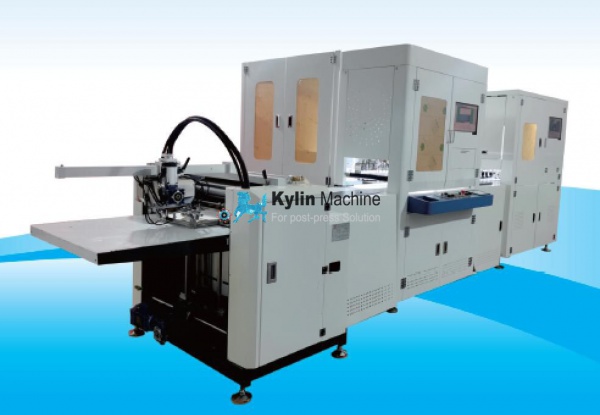
Fully Auto hard cover machine 2022 version
Fully Auto hard cover machine 2022 version

Paper round box making machine 2022 Version
paper round box making machine, not only make the round shape box, but also the irregular shape box with difference shape of molds.
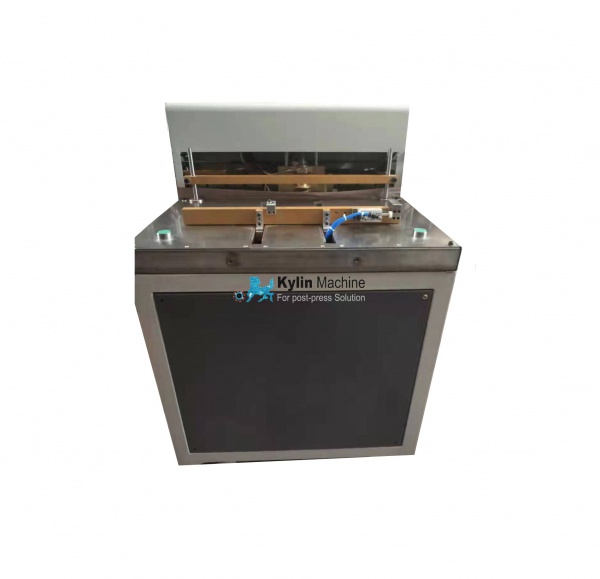
Jewelery box edge gilding machine
Stamp the lines on the jewelry box edge, with 5-8 box feed at one time. your best choice for jewelry box maker
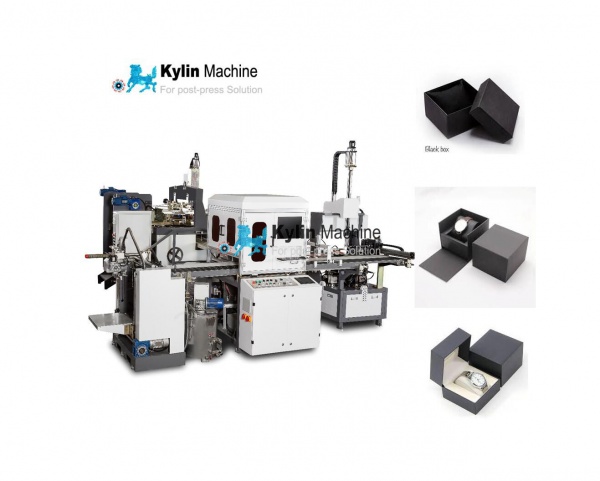
Automatic watch box making machine

Auto hot stamp and thumb cutter
This auto stampingand auto thumb cutter is used to hot foil AFTER the box lid is folded up - finished, and auto cut the thumb of boxes

Robbin machine
Ribbon pasting machine is used high technology to pasting the ribbon on the cover of rigid boxes, jewelry box, luxury package box. auto pasted with double side adhesive tape on the ready ribbon materials, then auto pasting on the cover of box.

Jewellery Box making machine
Jewelry box machine is designed for making high quality box in Curve corner shape, Octagon shape, Square shape box and other special shape withplastic, MDF, cardboard and others materials.
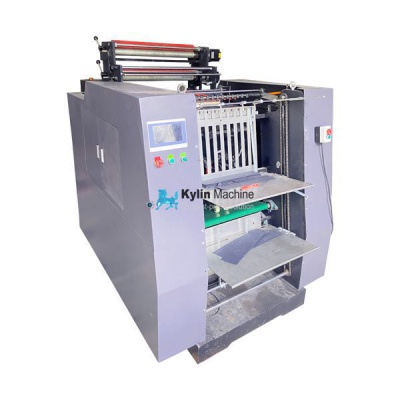
Auto feed die cutting&stamping machine
Auto feeder die cutting&stamping machine, working for 60-3,000gsm paper sheets, cardboards, leather, tissue paper, hard cover, film materials.
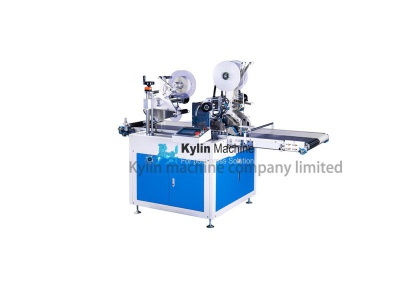
Double-side adhesive tape applicator for foldable box
Double-side adhesive tape applicator for foldable box
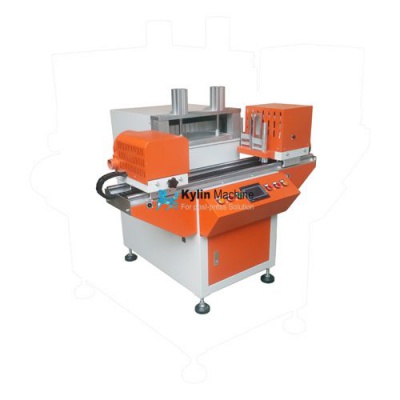
Book edge gilding machine 2021 version
Book edge gilding machine is used for edge gilding of Notebook, Bible book, normal book ,etc, round corner gilding, simple process. esay operated, sanding process and gilding process are all in one machines
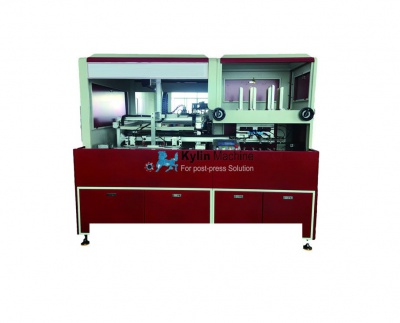
Collapsible boxes machine
The Foldable rigid boxes collapsible gift boxes machine, the box could be foldable while in shipping, save shipping costs and storage costs, it also be called collapsible gift boxes.

Slip Case making machine
We are pleased to introduce our Ky-280 Slipcase making machine. This machine can wrap top piece of the box . It can also make book slip cases. Without sealing the corner of the boards, the board glued with cover can be formed into a slip case with the hi
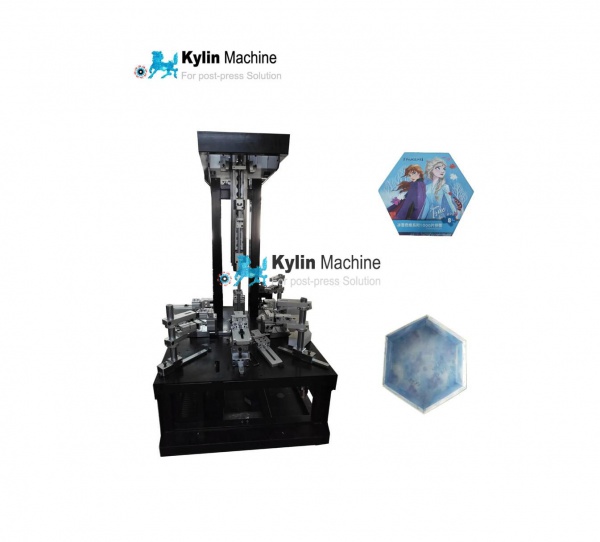
Polygonal box machine
Polygonal rigid box machines, which can customized your rigid boxes business. Triangle shape box, Rectangle shape rigid box, Pentagon shape rigid box, hexagon shape rigid boxes, Octagon shape rigid box, all availabe for making.

Charpie insert machine
Charpie insert machine, foam covered with charpie, no only protect the goods in the boxes, but also decorate the cover of boxes
ADDRESS
haoxin industy, Daojiao town, Dongguan city, China
CONTACT
Ph:+86-13925787347
Mail:admin#iboxmachine.com
点击右上角
分享给朋友吧
NEWSLETTER

