


点击右上角
分享给朋友吧
How to choose the right rigid box machine?
Author:Kylin machine company
Click:
Time:2024-12-25 09:46:02
Choosing the right rigid box machine requires careful consideration of several factors to ensure it meets your specific production needs, budget, and long-term goals. Here’s a step-by-step guide to help you make an informed decision:
### 1. Assess Your Packaging Needs
- **Box Size and Shape**: Determine the dimensions and shapes of the boxes you need. Ensure the machine can handle your required specifications.
- **Material Type**: Identify the types of materials you will be using (e.g., cardboard, chipboard). The machine should be compatible with these materials.
- **Production Volume**: Estimate your daily or monthly production requirements. Choose a machine that can handle your volume efficiently.
### 2. Consider Machine Specifications
- **Speed**: Look at the machine’s production speed. Ensure it meets your production deadlines.
- **Automation Level**: Decide how much automation you need. Fully automatic machines offer higher efficiency but may be more expensive.
- **Features and Options**: Consider additional features like adjustable die cutting, creasing, folding, and gluing capabilities.
### 3. Evaluate Technology and Controls
- **Control System**: Modern machines often come with advanced control systems like PLC (Programmable Logic Controller) for better automation and control.
- **Accuracy and Precision**: Ensure the machine has high accuracy and precision to maintain consistent box quality.
### 4. Check for Reliability and Durability
- **Brand Reputation**: Research the manufacturer’s reputation and read reviews from other users.
- **Warranty and After-Sales Support**: Look for a machine with a good warranty and reliable after-sales support.
### 5. Consider Cost and Budget
- **Initial Investment**: Compare the prices of different machines that meet your requirements.
- **Operating Costs**: Consider the ongoing costs such as maintenance, repairs, and consumables.
### 6. Visit Demonstrations and Trials
- **Live Demonstrations**: If possible, attend live demonstrations to see the machine in action.
- **Trial Runs**: Some manufacturers offer trial runs. Take advantage of this to test the machine’s performance with your specific materials and requirements.
### 7. Assess Environmental Impact
- **Energy Efficiency**: Consider the energy efficiency of the machine, especially if you have sustainability goals.
- **Eco-Friendly Features**: Look for features that minimize waste and reduce environmental impact.
### 8. Plan for Future Expansion
- **Scalability**: Choose a machine that can be upgraded or expanded as your business grows.
- **Compatibility**: Ensure the machine can integrate with any future equipment or technologies you plan to adopt.
### 9. Consult with Experts
- **Industry Consultants**: Seek advice from packaging experts or consultants who have experience with rigid box machines.
- **User Forums**: Join forums or groups where users share their experiences and tips.
By following these steps, you can make a well-informed decision and choose a rigid box machine that best suits your business needs, ensuring efficient and high-quality packaging for your products.
Recommended article
—

Recommended Products
—
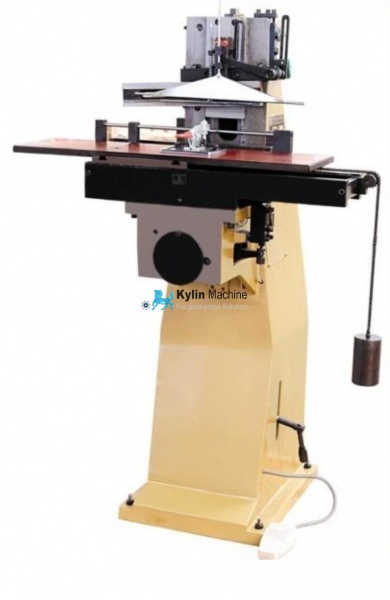
Book index machine
index paper die cutting machine is a special equipment for paper angle cutting in the printing industry
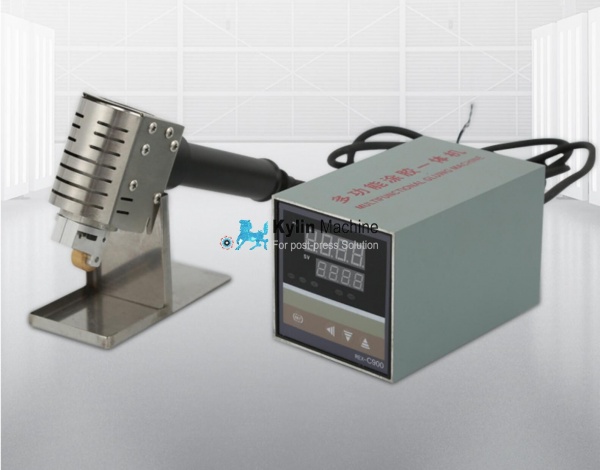
Mini handheld hot glue machine

Layflat board book binding machine
Children’s Board Book Production with PVA Pattern Gluing machine, kid puzzle board book glue binding machine. Animated Children’s Books, Interactive Books.

Rigid collapsible box machine
collapsible box side wing forming machine is a new type of equipment that is economical, practical, and widely used in the manufacturing of gift boxes, primarily for the folding and wrapping of the side panels of the boxes
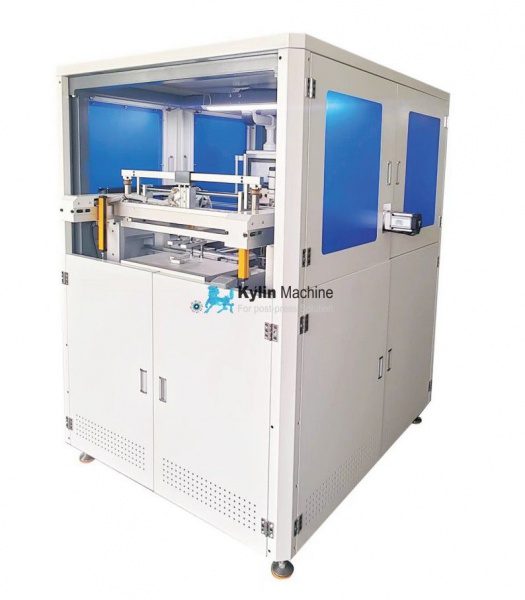
Perfume box making machine
perfume box forming machine adopts a fully disassembled action mode to achieve the automatic forming of perfume box, drawer boxes, slipcase, wine box, etc.

2023 Hard cover book pressing and creasing machine
Hard cover book pressing and creasing machine is a piece of equipment used in the bookbinding process to create professional-looking hardcover books
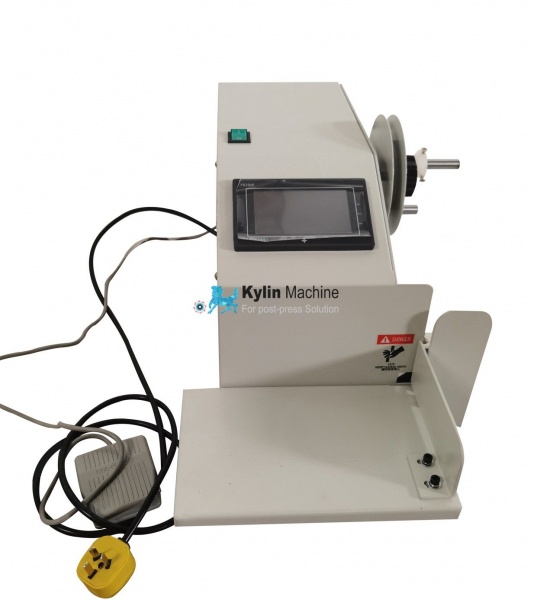
Small head tail band machine
A head tail band machine is a semi-automatic machine that is used to apply head and tail bands to hardcover books. Head and tail bands are decorative strips of cloth or paper that are applied to the top and bottom of the spine of a book. They help to protect the spine and give the book a more finished look.
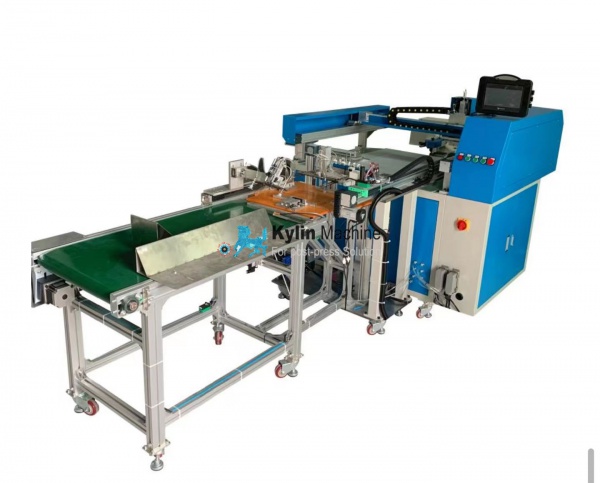
Auto notebook cover making machine Ky-1700
Auto notebook cover machine is used for leather products, including notebook, diary, shoes, bags, gift boxes, jewelry boxes, and ipad/phone cases
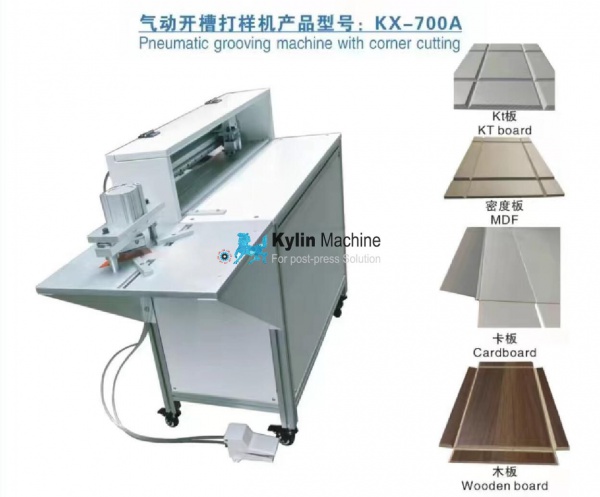
Manual groove machine with corner cutter
A manual groove machine with corner cutter is a device used in paper and cardboard processing to create grooves and corners on sheets of paper or cardboard
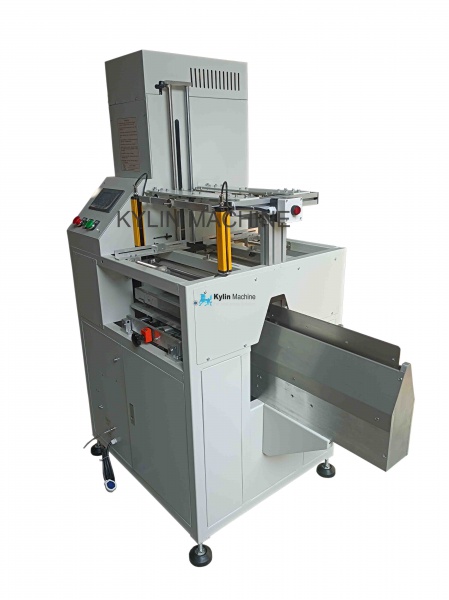
Book casing machine 2023
The equipment can be operated by one to two people. The operator only needs to place the book core and cover
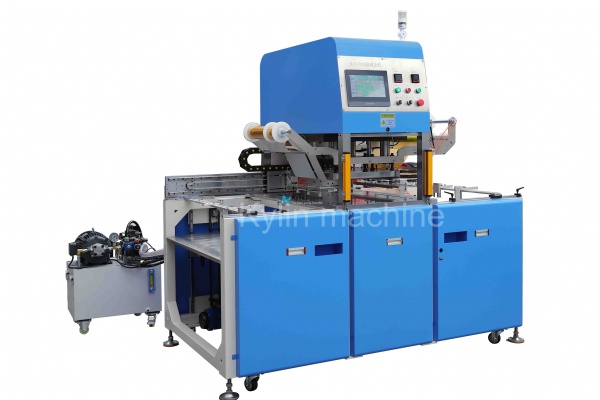
Auto Hydraulic Force Stamping machine
Max Stamp size: 550X450mm Stamping precision: ±0.1mm Pressure power: 10T Overlay the stamped logo
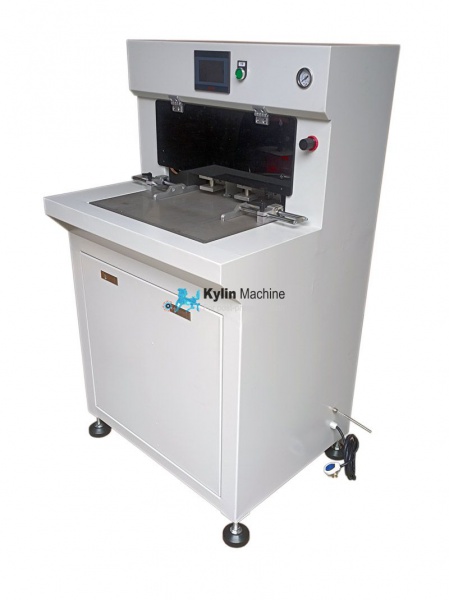
Hardcover rounding machine
Bookcase cover rounding machine press the produced corner bookcase into rounded corners without cutting the material directly install the bookcase, and press the right-angle edge material into the bookcase cover
Recommended Machines
—
Book index machine
index paper die cutting machine is a special equipment for paper angle cutting in the printing industry
Mini handheld hot glue machine
Layflat board book binding machine
Children’s Board Book Production with PVA Pattern Gluing machine, kid puzzle board book glue binding machine. Animated Children’s Books, Interactive Books.
Rigid collapsible box machine
collapsible box side wing forming machine is a new type of equipment that is economical, practical, and widely used in the manufacturing of gift boxes, primarily for the folding and wrapping of the side panels of the boxes
Perfume box making machine
perfume box forming machine adopts a fully disassembled action mode to achieve the automatic forming of perfume box, drawer boxes, slipcase, wine box, etc.
2023 Hard cover book pressing and creasing machine
Hard cover book pressing and creasing machine is a piece of equipment used in the bookbinding process to create professional-looking hardcover books
Small head tail band machine
A head tail band machine is a semi-automatic machine that is used to apply head and tail bands to hardcover books. Head and tail bands are decorative strips of cloth or paper that are applied to the top and bottom of the spine of a book. They help to protect the spine and give the book a more finished look.
Auto notebook cover making machine Ky-1700
Auto notebook cover machine is used for leather products, including notebook, diary, shoes, bags, gift boxes, jewelry boxes, and ipad/phone cases
Manual groove machine with corner cutter
A manual groove machine with corner cutter is a device used in paper and cardboard processing to create grooves and corners on sheets of paper or cardboard
Book casing machine 2023
The equipment can be operated by one to two people. The operator only needs to place the book core and cover
Auto Hydraulic Force Stamping machine
Max Stamp size: 550X450mm Stamping precision: ±0.1mm Pressure power: 10T Overlay the stamped logo
Hardcover rounding machine
Bookcase cover rounding machine press the produced corner bookcase into rounded corners without cutting the material directly install the bookcase, and press the right-angle edge material into the bookcase cover

2022 verion of rigid box machine
it is the most advance machinery for making phone box, tea box, sweet box, shoe box, jewelry box, moon cake box, ect

Glue spray machine
A glue spray machine is a device that is used to apply a thin, even layer of adhesive to a surface. This type of machine is commonly used in the packaging and printing industries to help secure boxes, labels, and other items in place. With its precision spray nozzle, a glue spray machine can quickly and easily apply glue to a variety of materials, including cardboard, paper, and plastic. This can help businesses save time and improve the efficiency of their packaging processes.

Cardboard slitting machine
Cardboard cutting machine is good at cutting bookboards, cardboard paper board. Simple Operation, flexible adjustment, high accuracy and efficiency

Book spine rounding and backing machine
Put the glued book block in the working table, place the book with its back facing in and parallel to the top of the table or slightly beyond the top. After several reciprocating movements of the round series, turn the book block over and re-Repeat the above operation method to make the back of the book form a complete arc
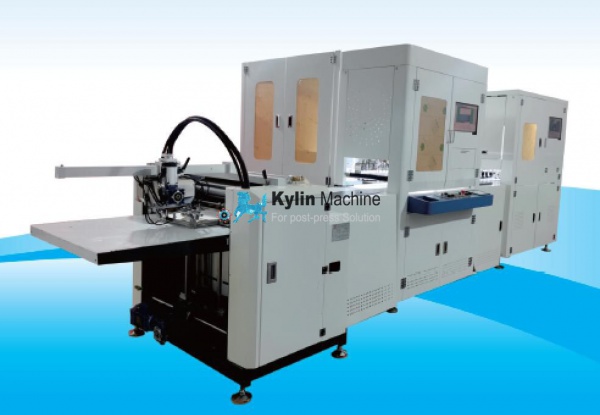
Fully Auto hard cover machine 2022 version
Fully Auto hard cover machine 2022 version

Paper round box making machine 2022 Version
paper round box making machine, not only make the round shape box, but also the irregular shape box with difference shape of molds.
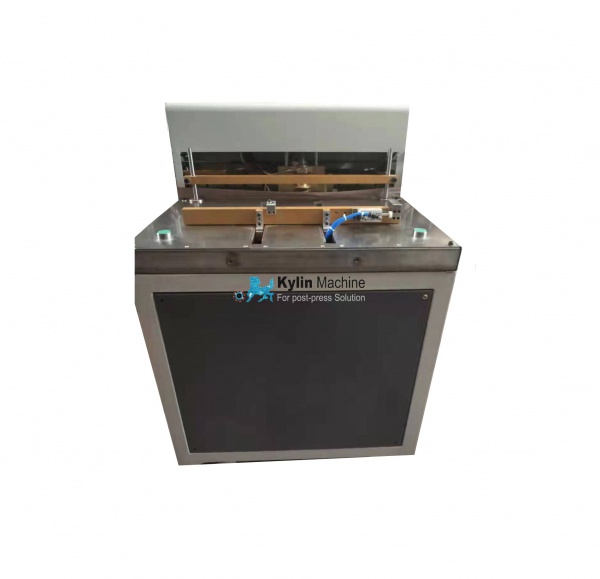
Jewelery box edge gilding machine
Stamp the lines on the jewelry box edge, with 5-8 box feed at one time. your best choice for jewelry box maker
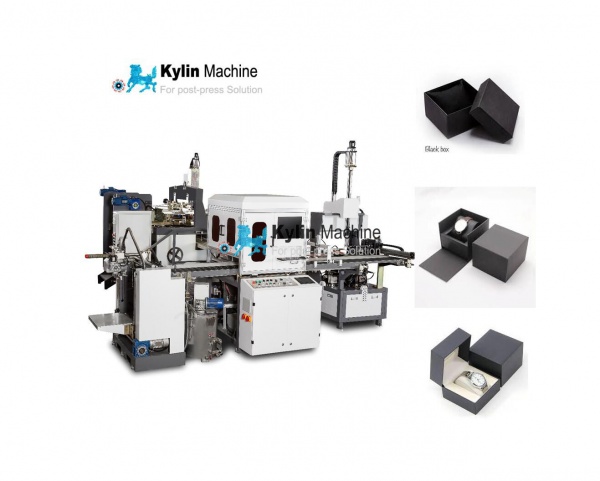
Automatic watch box making machine

Auto hot stamp and thumb cutter
This auto stampingand auto thumb cutter is used to hot foil AFTER the box lid is folded up - finished, and auto cut the thumb of boxes

Robbin machine
Ribbon pasting machine is used high technology to pasting the ribbon on the cover of rigid boxes, jewelry box, luxury package box. auto pasted with double side adhesive tape on the ready ribbon materials, then auto pasting on the cover of box.

Jewellery Box making machine
Jewelry box machine is designed for making high quality box in Curve corner shape, Octagon shape, Square shape box and other special shape withplastic, MDF, cardboard and others materials.
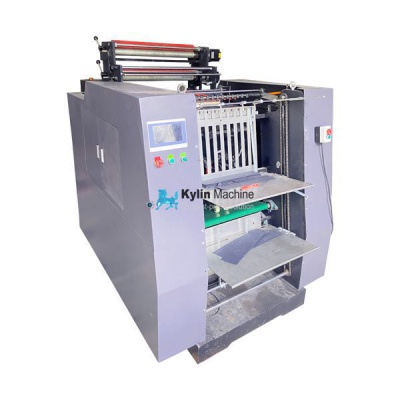
Auto feed die cutting&stamping machine
Auto feeder die cutting&stamping machine, working for 60-3,000gsm paper sheets, cardboards, leather, tissue paper, hard cover, film materials.
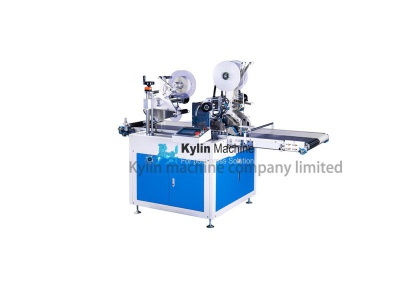
Double-side adhesive tape applicator for foldable box
Double-side adhesive tape applicator for foldable box
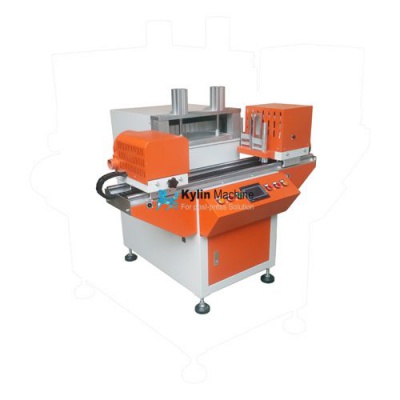
Book edge gilding machine 2021 version
Book edge gilding machine is used for edge gilding of Notebook, Bible book, normal book ,etc, round corner gilding, simple process. esay operated, sanding process and gilding process are all in one machines
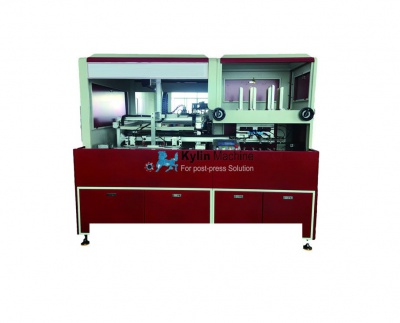
Collapsible boxes machine
The Foldable rigid boxes collapsible gift boxes machine, the box could be foldable while in shipping, save shipping costs and storage costs, it also be called collapsible gift boxes.

Slip Case making machine
We are pleased to introduce our Ky-280 Slipcase making machine. This machine can wrap top piece of the box . It can also make book slip cases. Without sealing the corner of the boards, the board glued with cover can be formed into a slip case with the hi
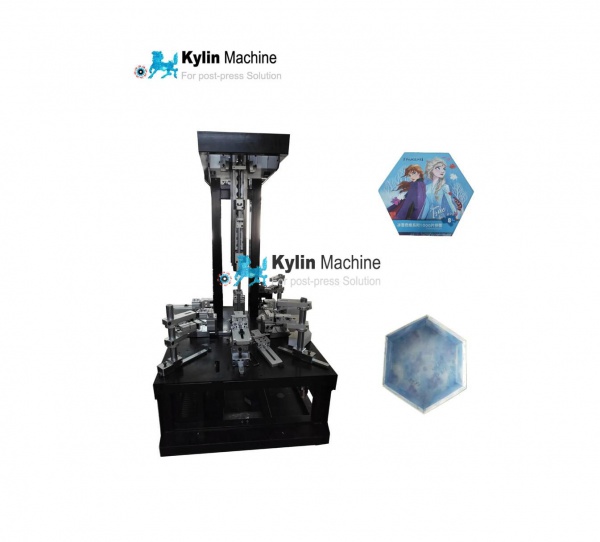
Polygonal box machine
Polygonal rigid box machines, which can customized your rigid boxes business. Triangle shape box, Rectangle shape rigid box, Pentagon shape rigid box, hexagon shape rigid boxes, Octagon shape rigid box, all availabe for making.

Charpie insert machine
Charpie insert machine, foam covered with charpie, no only protect the goods in the boxes, but also decorate the cover of boxes
ADDRESS
haoxin industy, Daojiao town, Dongguan city, China
CONTACT
Ph:+86-13925787347
Mail:admin#iboxmachine.com
点击右上角
分享给朋友吧
NEWSLETTER

