


点击右上角
分享给朋友吧
The Cost of Packaging
Author:Kylin machine company
Click:
Time:2022-05-11 00:00:00
Packaging costs can be separated into several categories:
Raw Materials
Type of Packaging
Volume
Production Costs
Transportation Costs
Fulfillment / Warehousing Costs
These categories directly influence one another to further complicate the issue. For example, the type of packaging directly affects the production costs for certain types of packaging. Rigid boxes are more expensive to produce (production cost) than folding cartons even though they are the same type of packaging – Boxes.
1. Raw Materials
There are 4 main types of raw materials used in packaging.
Paper (wood)
Plastic
Metal
Glass
Put simply and very basically, the more raw materials that go into your packaging the more expensive it will be. These prices will be fairly constant because these markets are relatively stable. But they do fluctuate from time to time and shortages can cause increases in price to your overall packaging costs.
2. Type of Packaging
As you can imagine, the type of packaging you decide on can massively affect cost. For example, polybags (single layer plastic bags) are much cheaper than stand-up pouches (multi-layer plastic bags). For boxes, we often have folding cartons, corrugated boxes and rigid boxes, with rigid boxes being generally much more expensive.
If boxes are what you’re needing, I have 3 articles that discuss costs associated with this type of packaging:
Here I talk about the costs of rigid boxes
Here I present solutions to the high price tag of rigid boxes
And again I discuss the costs associated with rigid boxes versus folding cartons
If you are interested in POP displays, I have an article that discusses those costs here.
3. Volume
The amount of units of packaging you order affects the price significantly. Typically, the more you order the cheaper the price per unit of packaging. If you only order a very tiny amount, the costs will be much much higher.
For example, the price may be 10 cents per packaging unit at 50,000 units and 5 cents per packaging unit at 100,000 units. However, the volume to price ratio has a threshold whereby after a certain number of units the price won’t get any lower. For example the price may be 5 cents per unit at 100,000 units and 5 cents per unit per 200,000 units.
4. Production Costs
Packaging production has it’s own unique costs directly associated with your particular packaging. Tooling costs and set-up fees are the two most important.
When you create custom packaging special cutting dies and/or printing plates are manufactured that are distinctive to your packaging. This is called tooling and you usually have to pay for these separately. If you decide at a later date to change aspects of your custom packaging like the dimensions of it, for example, you will likely have to pay to get new tooling created. I will be discussing tooling later in more detail in Part 6 – Working with Your Packaging Vendor. So, in the interest of staying on topic, you can check out the Costs of Tooling here.
Set-up fees are the costs associated to “set-up” certain packaging manufacturing machines for your specific custom packaging – your tooling, printing plates etc. The reason this is a separate cost to you is because it would be more expensive to run, for example, 20,000 units of 4 different SKUs at 5,000 units, each with four separate tooling and set-ups, compared to just running a straight 20,000 units with only one set-up. I have an article that explains this in more detail here.
5. Transportation Costs
Shipping your packaging from the packaging manufacturing facility to the location of your choosing can be expensive. Freight costs are constantly rising. Shipping overseas is often times more expensive than the actual overseas produced packaging.
But freight charges often involve more than just moving the packaging from A to B. For example, if you give your packaging vendor “pack-out” instructions directing them on how you want your shipment packed, you may be charged extra for that. For instance, if you want certain SKUs packed in individual boxes, or only allow a certain number of units to be packed in each shipper box, or place a restriction on how tall you will allow the pallet to be etc., these conditions can cause the packaging company to incur additional expenses that could be passed on to you. Do you require a liftgate on the truck or do you have a forklift? All of these particular details can cost extra money if it creates more work for your packaging vendor.
6. Warehousing / Fulfillment Costs
There may be times when you need to order packaging ahead of time and store it. Sometimes the manufacturer will offer to do this for a small fee, other times a large fee. Or perhaps you have your own warehouse perfect for this. Either way this extra cost to warehousing should be included in your total “cost per unit of packaging”.
If you are in need of fulfillment (your product put in it’s packaging) be sure to check with your packaging vendor as they may have relationships and logistics already in place with fulfillment companies that can save you money. These fulfillment companies may also hold packaging inventory for you as part of your contract with them that can reduce or eliminate separate warehouse costs.
Recommended article
—

Recommended Products
—
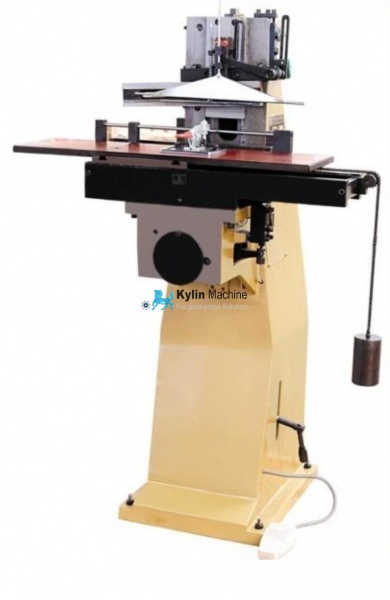
Book index machine
index paper die cutting machine is a special equipment for paper angle cutting in the printing industry
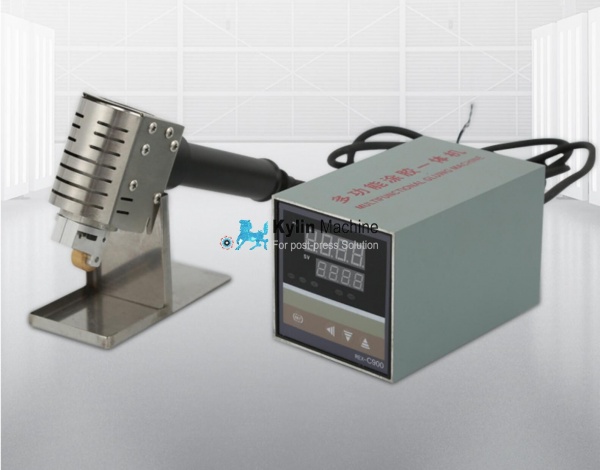
Mini handheld hot glue machine

Layflat board book binding machine
Children’s Board Book Production with PVA Pattern Gluing machine, kid puzzle board book glue binding machine. Animated Children’s Books, Interactive Books.

Rigid collapsible box machine
collapsible box side wing forming machine is a new type of equipment that is economical, practical, and widely used in the manufacturing of gift boxes, primarily for the folding and wrapping of the side panels of the boxes
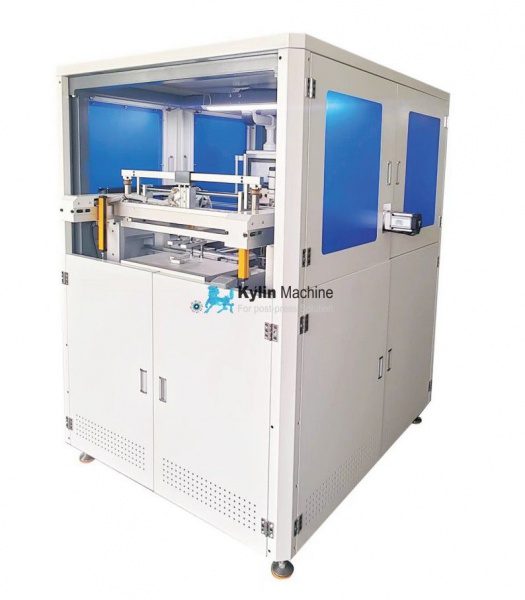
Perfume box making machine
perfume box forming machine adopts a fully disassembled action mode to achieve the automatic forming of perfume box, drawer boxes, slipcase, wine box, etc.

2023 Hard cover book pressing and creasing machine
Hard cover book pressing and creasing machine is a piece of equipment used in the bookbinding process to create professional-looking hardcover books
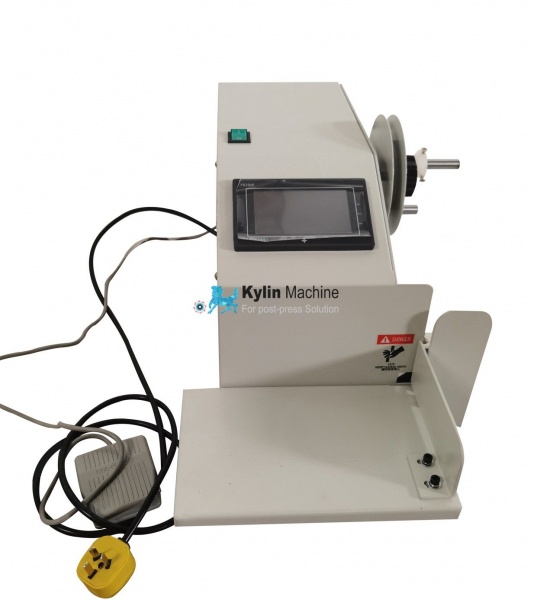
Small head tail band machine
A head tail band machine is a semi-automatic machine that is used to apply head and tail bands to hardcover books. Head and tail bands are decorative strips of cloth or paper that are applied to the top and bottom of the spine of a book. They help to protect the spine and give the book a more finished look.
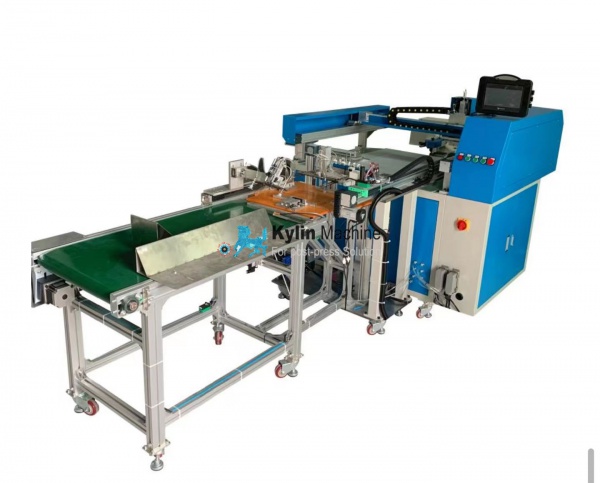
Auto notebook cover making machine Ky-1700
Auto notebook cover machine is used for leather products, including notebook, diary, shoes, bags, gift boxes, jewelry boxes, and ipad/phone cases
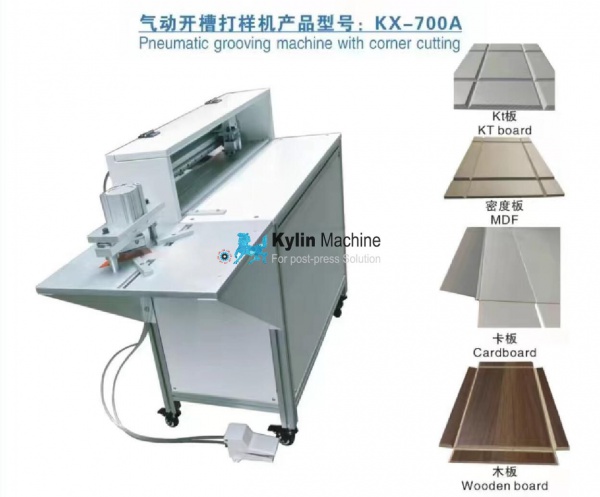
Manual groove machine with corner cutter
A manual groove machine with corner cutter is a device used in paper and cardboard processing to create grooves and corners on sheets of paper or cardboard
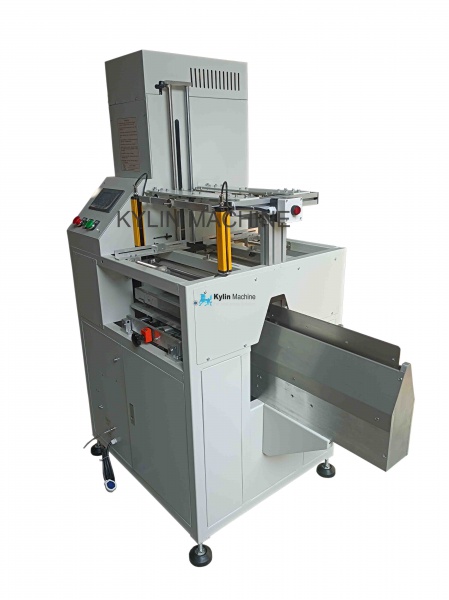
Book casing machine 2023
The equipment can be operated by one to two people. The operator only needs to place the book core and cover
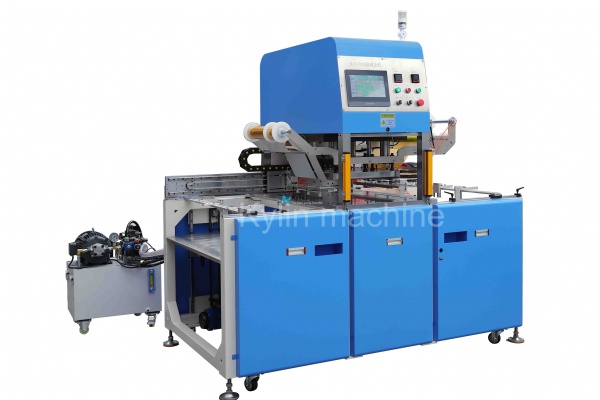
Auto Hydraulic Force Stamping machine
Max Stamp size: 550X450mm Stamping precision: ±0.1mm Pressure power: 10T Overlay the stamped logo
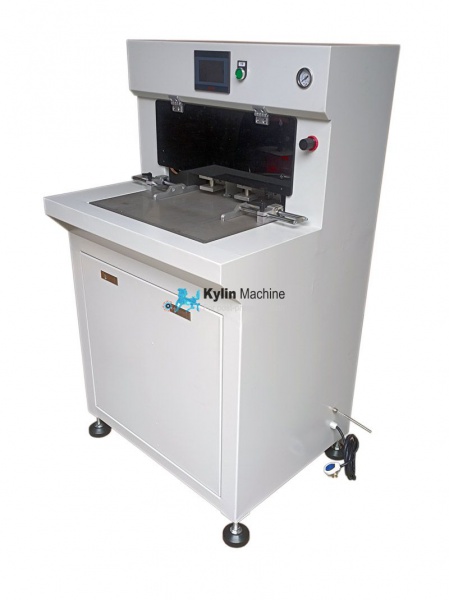
Hardcover rounding machine
Bookcase cover rounding machine press the produced corner bookcase into rounded corners without cutting the material directly install the bookcase, and press the right-angle edge material into the bookcase cover
Recommended Machines
—
Book index machine
index paper die cutting machine is a special equipment for paper angle cutting in the printing industry
Mini handheld hot glue machine
Layflat board book binding machine
Children’s Board Book Production with PVA Pattern Gluing machine, kid puzzle board book glue binding machine. Animated Children’s Books, Interactive Books.
Rigid collapsible box machine
collapsible box side wing forming machine is a new type of equipment that is economical, practical, and widely used in the manufacturing of gift boxes, primarily for the folding and wrapping of the side panels of the boxes
Perfume box making machine
perfume box forming machine adopts a fully disassembled action mode to achieve the automatic forming of perfume box, drawer boxes, slipcase, wine box, etc.
2023 Hard cover book pressing and creasing machine
Hard cover book pressing and creasing machine is a piece of equipment used in the bookbinding process to create professional-looking hardcover books
Small head tail band machine
A head tail band machine is a semi-automatic machine that is used to apply head and tail bands to hardcover books. Head and tail bands are decorative strips of cloth or paper that are applied to the top and bottom of the spine of a book. They help to protect the spine and give the book a more finished look.
Auto notebook cover making machine Ky-1700
Auto notebook cover machine is used for leather products, including notebook, diary, shoes, bags, gift boxes, jewelry boxes, and ipad/phone cases
Manual groove machine with corner cutter
A manual groove machine with corner cutter is a device used in paper and cardboard processing to create grooves and corners on sheets of paper or cardboard
Book casing machine 2023
The equipment can be operated by one to two people. The operator only needs to place the book core and cover
Auto Hydraulic Force Stamping machine
Max Stamp size: 550X450mm Stamping precision: ±0.1mm Pressure power: 10T Overlay the stamped logo
Hardcover rounding machine
Bookcase cover rounding machine press the produced corner bookcase into rounded corners without cutting the material directly install the bookcase, and press the right-angle edge material into the bookcase cover

2022 verion of rigid box machine
it is the most advance machinery for making phone box, tea box, sweet box, shoe box, jewelry box, moon cake box, ect

Glue spray machine
A glue spray machine is a device that is used to apply a thin, even layer of adhesive to a surface. This type of machine is commonly used in the packaging and printing industries to help secure boxes, labels, and other items in place. With its precision spray nozzle, a glue spray machine can quickly and easily apply glue to a variety of materials, including cardboard, paper, and plastic. This can help businesses save time and improve the efficiency of their packaging processes.

Cardboard slitting machine
Cardboard cutting machine is good at cutting bookboards, cardboard paper board. Simple Operation, flexible adjustment, high accuracy and efficiency

Book spine rounding and backing machine
Put the glued book block in the working table, place the book with its back facing in and parallel to the top of the table or slightly beyond the top. After several reciprocating movements of the round series, turn the book block over and re-Repeat the above operation method to make the back of the book form a complete arc
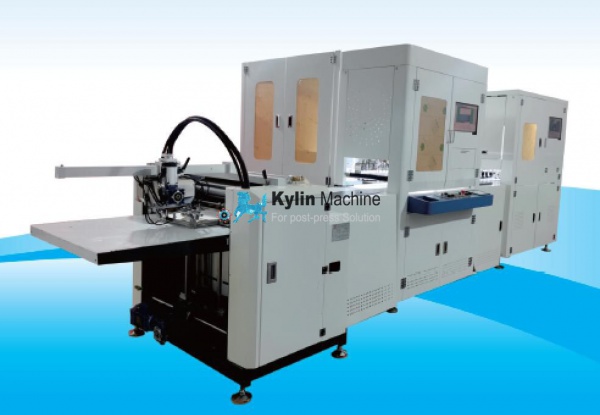
Fully Auto hard cover machine 2022 version
Fully Auto hard cover machine 2022 version

Paper round box making machine 2022 Version
paper round box making machine, not only make the round shape box, but also the irregular shape box with difference shape of molds.
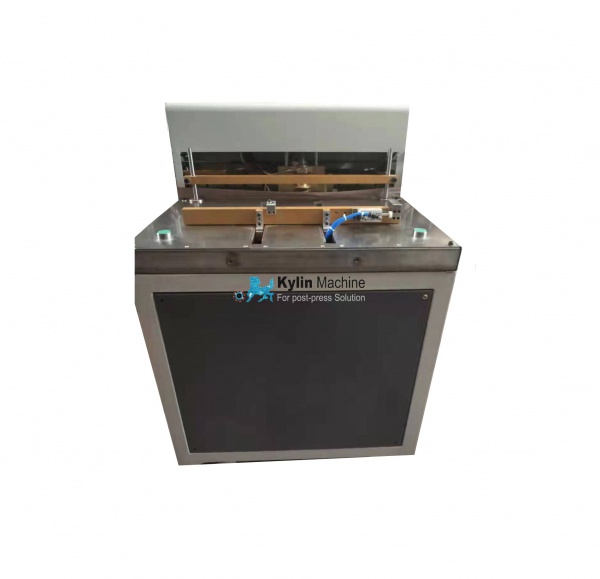
Jewelery box edge gilding machine
Stamp the lines on the jewelry box edge, with 5-8 box feed at one time. your best choice for jewelry box maker
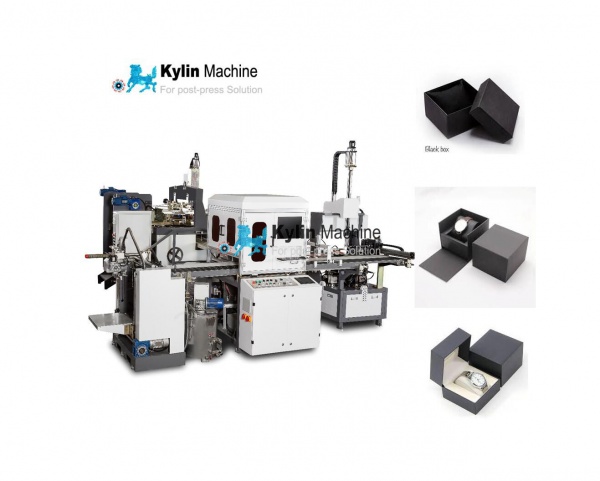
Automatic watch box making machine

Auto hot stamp and thumb cutter
This auto stampingand auto thumb cutter is used to hot foil AFTER the box lid is folded up - finished, and auto cut the thumb of boxes

Robbin machine
Ribbon pasting machine is used high technology to pasting the ribbon on the cover of rigid boxes, jewelry box, luxury package box. auto pasted with double side adhesive tape on the ready ribbon materials, then auto pasting on the cover of box.

Jewellery Box making machine
Jewelry box machine is designed for making high quality box in Curve corner shape, Octagon shape, Square shape box and other special shape withplastic, MDF, cardboard and others materials.
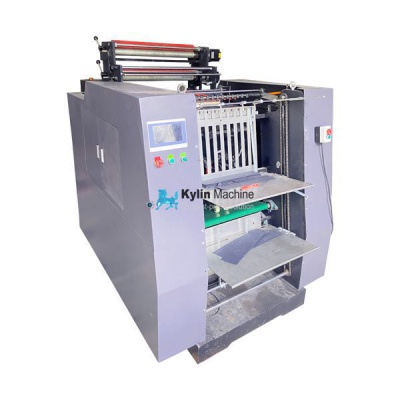
Auto feed die cutting&stamping machine
Auto feeder die cutting&stamping machine, working for 60-3,000gsm paper sheets, cardboards, leather, tissue paper, hard cover, film materials.
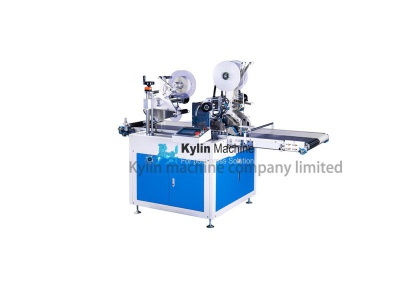
Double-side adhesive tape applicator for foldable box
Double-side adhesive tape applicator for foldable box
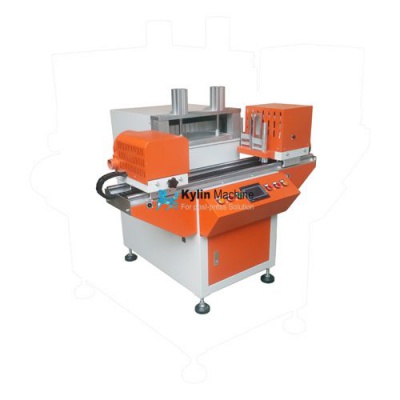
Book edge gilding machine 2021 version
Book edge gilding machine is used for edge gilding of Notebook, Bible book, normal book ,etc, round corner gilding, simple process. esay operated, sanding process and gilding process are all in one machines
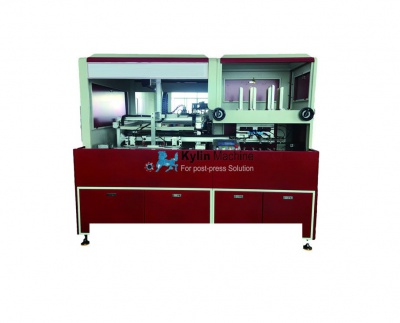
Collapsible boxes machine
The Foldable rigid boxes collapsible gift boxes machine, the box could be foldable while in shipping, save shipping costs and storage costs, it also be called collapsible gift boxes.

Slip Case making machine
We are pleased to introduce our Ky-280 Slipcase making machine. This machine can wrap top piece of the box . It can also make book slip cases. Without sealing the corner of the boards, the board glued with cover can be formed into a slip case with the hi
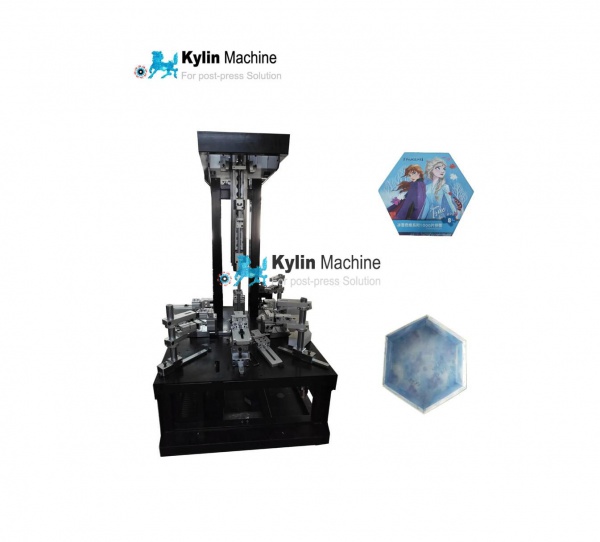
Polygonal box machine
Polygonal rigid box machines, which can customized your rigid boxes business. Triangle shape box, Rectangle shape rigid box, Pentagon shape rigid box, hexagon shape rigid boxes, Octagon shape rigid box, all availabe for making.

Charpie insert machine
Charpie insert machine, foam covered with charpie, no only protect the goods in the boxes, but also decorate the cover of boxes
ADDRESS
haoxin industy, Daojiao town, Dongguan city, China
CONTACT
Ph:+86-13925787347
Mail:admin#iboxmachine.com
点击右上角
分享给朋友吧
NEWSLETTER

